
US and Canada issue unprecedented travel advisories impacting global tourism
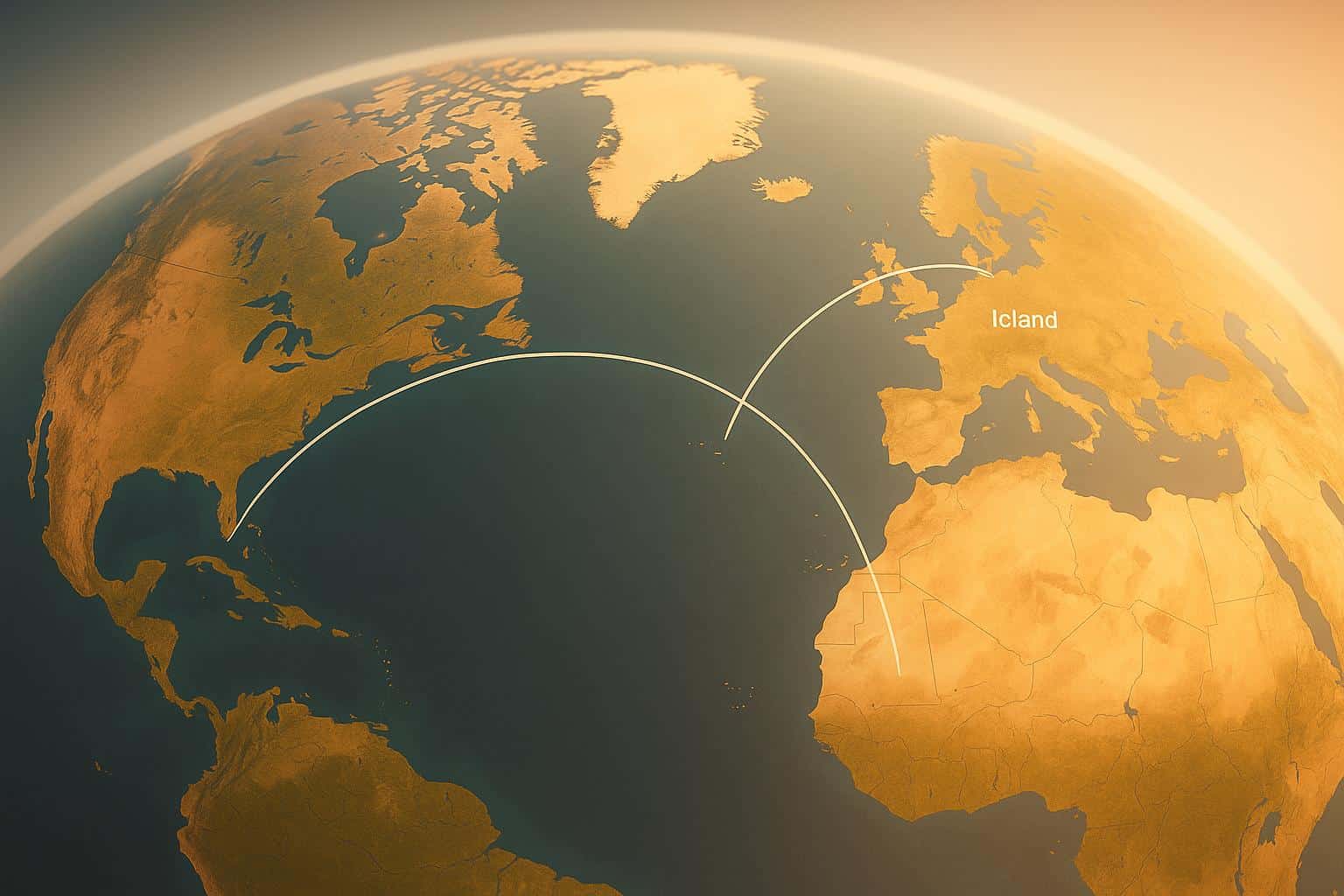
The United States and Canada have issued new travel advisories in 2025, marking a significant shift in the global travel landscape. These advisories are reshaping tourism and influencing the global economy, as popular destinations are being categorized by varying risk levels. For travelers, this means carefully reconsidering plans, with some regions flagged as highly dangerous while others are celebrated as safe havens for exploration.
A Shuffling Global Travel Map
The latest travel advisories from the U.S. Department of State and Global Affairs Canada highlight countries facing security risks such as civil unrest, armed conflict, and terrorism. Destinations like Belarus, Syria, and Yemen have been designated "Level 4 – Do Not Travel", the most severe warning level. These regions are grappling with volatile conditions that jeopardize the safety of visitors. Similarly, Haiti, Russia, Afghanistan, and other conflict-prone areas are also under heightened warnings due to escalating violence and political instability.
"Countries under Level 4 warnings are often facing significant unrest, armed conflict, or have governments that can’t guarantee the safety of foreign visitors", the article states. The risks in these locations include kidnapping, violence, and life-threatening conditions, making them extremely dangerous for tourists.
Safe Destinations for Peaceful Travel
Amid such uncertainties, several countries shine as safe and welcoming destinations for travelers in 2025. Nations like Iceland, New Zealand, the Netherlands, and Australia have been recognized for their political stability, low crime rates, and high safety standards. These countries not only offer peace of mind but also boast unique experiences that attract tourists from around the globe.
For instance, Iceland is renowned for its breathtaking landscapes, including volcanoes, glaciers, and geothermal hot springs. Meanwhile, New Zealand offers a haven for thrill-seekers with its lush rainforests, rugged mountains, and adventure sports. The Netherlands enchants visitors with its iconic canals and rich cultural heritage, while Australia continues to allure travelers with its pristine beaches and vibrant cities.
The Dangerous Travel Zones to Avoid
The advisory updates underline the importance of avoiding certain regions where safety risks have escalated. Countries such as Yemen and Burkina Faso have witnessed alarming increases in violent crimes and terrorist activities. Even well-known nations like Ukraine and Russia, now embroiled in conflicts, are deemed risky for non-essential travel, with authorities citing rising threats of violence and unrest.
"Kidnapping and terrorist attacks are not just distant fears – they are real threats, especially for the uninformed traveler", warns the article. These advisories serve as stark reminders that neglecting updated travel information can lead to severe consequences for tourists.
Planning Travel in an Evolving World
For many, the idea of international travel has become more complicated, as global advisories demand a heightened awareness of potential risks. Even in safer locations, such as India, specific regions like Jammu & Kashmir remain high-risk due to ongoing conflicts. In Mexico, cartel violence continues to impact certain areas, reminding travelers to exercise vigilance even in relatively stable countries.
The U.S. Department of State and Global Affairs Canada emphasize that their travel advisories are based on rigorous assessments of political and security situations. These updates are not issued lightly, as they are intended to protect citizens from potentially life-threatening scenarios.
Looking Ahead to Safer Travel Opportunities
While the global travel landscape is fraught with challenges, many destinations remain safe and appealing. Countries such as Canada, Spain, and Portugal rank among the lower-risk options, where travelers can explore without significant concerns. For those seeking safety alongside adventure, places like Switzerland, Finland, and Japan also stand out as excellent choices.
Ultimately, the key to safe and enjoyable international travel lies in staying informed. Checking updated advisories from reliable sources like the U.S. Department of State and Global Affairs Canada is crucial for avoiding unnecessary risks. As the world continues to change, travelers must adapt by prioritizing awareness and precaution in their journey planning.
The message is clear: understanding travel warnings is not just prudent – it can make the difference between a dream vacation and a nightmare scenario.