
How To Cook Zero-Waste Meals Outdoors
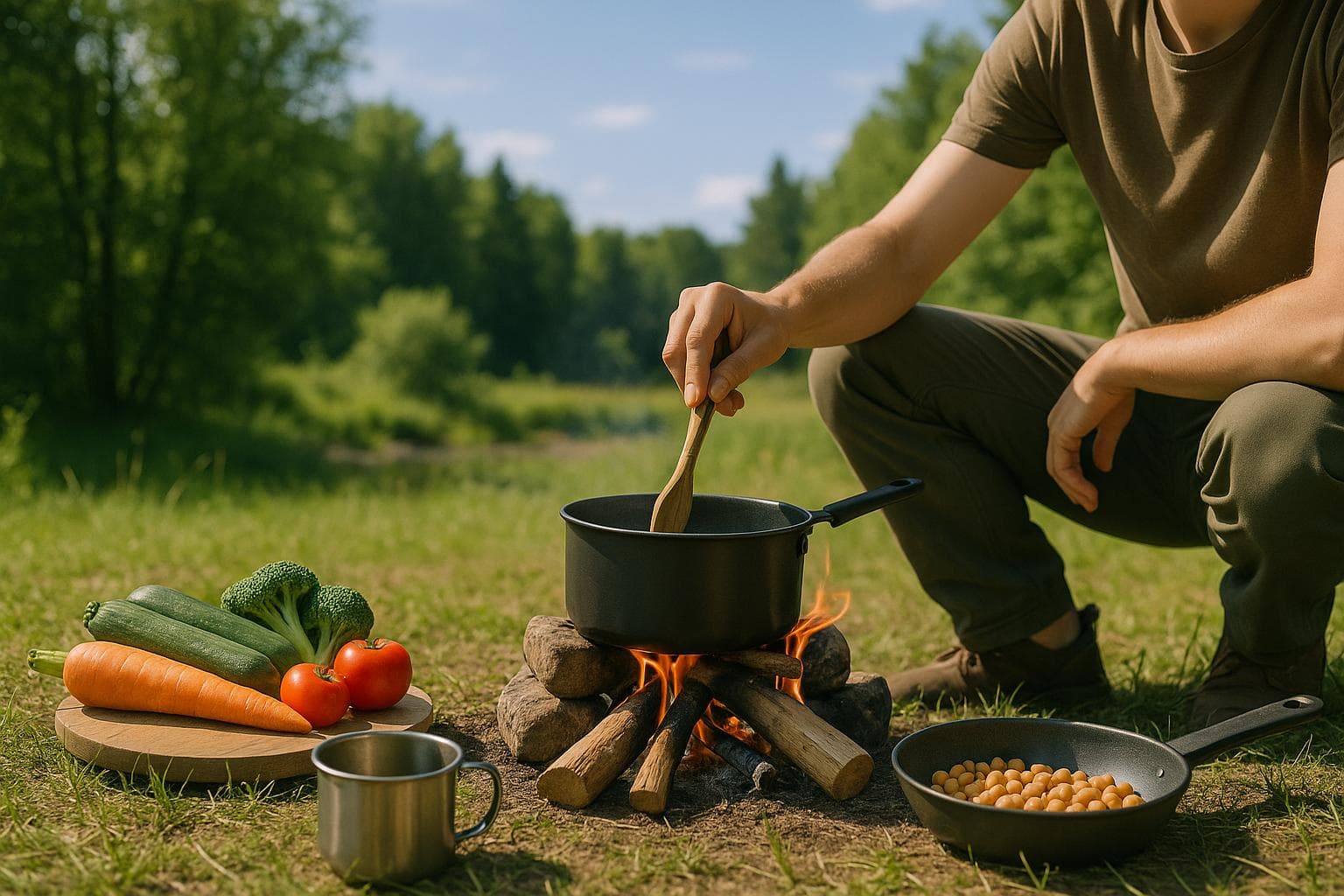
Cooking zero-waste meals outdoors is about reducing trash while enjoying nature. It’s simple: plan meals carefully, use reusable tools, and minimize food waste. By pre-measuring ingredients, choosing whole foods, and packing reusable containers, you cut down on disposables and leftovers. This method aligns with Leave No Trace principles, helping preserve natural spaces.
Key Tips:
- Plan Ahead: Pre-measure and prep ingredients at home to avoid overpacking.
- Choose Whole Ingredients: Bulk items like grains, beans, and fresh produce create less waste.
- Use Reusable Gear: Opt for stainless steel, bamboo utensils, and silicone bags.
- Repurpose Leftovers: Turn scraps into new meals or snacks.
- Clean Responsibly: Use biodegradable soap, store waste securely, and pack everything out.
Zero-waste cooking not only simplifies your outdoor adventures but also ensures you leave nature untouched for others to enjoy.
My Zero Waste Kitchen Essentials for Camping | Alli Cherry
Plan Your Meals Before You Go
Zero-waste outdoor cooking starts with smart planning. Taking the time to map out your meals beforehand helps cut down on waste, ensures you pack only what you need, and makes your trip more enjoyable. By planning ahead, you can avoid overpacking food that might spoil and lighten your load, all while simplifying your cooking process at camp.
Another big perk? You’ll spend less time juggling ingredients and more time soaking in the great outdoors. Start by picking recipes that use whole ingredients and prepping them at home to streamline your outdoor kitchen setup.
Pick Recipes with Whole Ingredients
Whole ingredients are your best friend when it comes to zero-waste cooking. Think fresh veggies, dried beans, whole grains, and unprocessed proteins. Unlike pre-packaged or processed foods, these come with minimal packaging, especially if you buy them in bulk. Plus, they’re versatile and often more affordable.
One-pot meals are a fantastic choice – they’re simple, require fewer dishes, and make the most of your ingredients. For example, a hearty lentil stew made with bulk-bought lentils, carrots, onions, and greens produces almost no waste. Or try a stir-fry with rice, fresh vegetables, and your favorite protein – all cooked in a single pan.
Another tip? Choose recipes that let you reuse ingredients across meals. Pre-measured oats, for instance, can double as a filling breakfast and a binder for other dishes. Root vegetables like potatoes and sweet potatoes are another great option – they’re sturdy, don’t need refrigeration, and can be roasted, boiled, or stewed.
Skip individually wrapped items by buying bulk nuts, seeds, and dried fruit for trail mix. Opt for fresh produce over pre-cut, plastic-packaged options. Shopping at farmers’ markets or bulk-bin stores with your own cloth bags or containers not only reduces waste but also supports local growers.
Here are a few meal ideas to get you started:
| Meal Type | Example Recipe | Prep at Home | Packaging Solution |
|---|---|---|---|
| Breakfast | Strawberry Oatmeal | Pre-measure oats with berries, nuts | Use a Mason jar or silicone bag |
| Lunch | Chickpea Tuna Sandwiches | Mix chickpea salad at home | Store in a reusable container |
| Dinner | One-Pot Beef Stew | Portion dried ingredients, chop veggies | Pack in Mason jars or dry bags |
| Snack | Trail Mix | Mix bulk nuts, seeds, dried fruit | Use a reusable snack pouch |
Once you’ve chosen your recipes, the next step is prepping everything before you leave.
Pre-Measure and Prep Ingredients at Home
Prepping at home is where the magic happens for zero-waste cooking. By chopping, portioning, and mixing ingredients ahead of time, you eliminate the need for extra packaging and save yourself time at camp.
Start by measuring out dry ingredients like oats, rice, or pancake mix into reusable containers or silicone bags. Label each container with the meal name and simple instructions using masking tape or a grease pencil. For instance, you can pre-measure oats with cinnamon and dried fruit for breakfast or combine flour, baking powder, and salt for campfire pancakes.
Cutting vegetables ahead of time is another big help. Dice onions and peppers for stews, slice carrots and celery for stir-fries, or prep salad fixings for wraps. Store these in airtight containers and keep them in a cooler with ice packs, planning to use them within the first day or two of your trip. This method reduces waste and means you won’t need to bring extra cutting boards or knives.
For proteins, think about marinating meat or tofu in reusable containers before you go. Pre-cooked items like hard-boiled eggs or roasted chickpeas are also great – they’re easy to pack and can be eaten cold or added to other meals. If you’re bringing fresh meat, portion it out to avoid leftovers that could spoil.
Organizing your meals is key. Some campers prefer to pack each meal’s ingredients together in one container, while others group similar items (like all breakfast ingredients) separately. Don’t forget to measure out spices and seasonings into small reusable containers or parchment packets to save space and avoid hauling full-sized bottles.
The effort you put into prepping at home pays off big time at camp. You’ll have less clutter, quicker meal prep, and minimal waste. Many zero-waste campers report generating just a small handful of recyclables – maybe a few cans or a glass jar – even after several days outdoors, all thanks to good planning and preparation.
Use Reusable Cooking Tools
Choosing reliable, reusable cooking tools not only makes outdoor cooking more efficient but also helps cut down on waste and saves money in the long run. Instead of reaching for disposable plates, plastic utensils, or single-use storage bags, you can assemble a lightweight, durable cooking setup that lasts for years. Plus, using reusable gear aligns with Leave No Trace principles, keeping natural areas clean and free from trash. It’s a simple yet effective step toward a more sustainable outdoor cooking routine.
Durable Cookware and Utensils
When it comes to cookware, stainless steel stands out as a favorite for outdoor adventures. It’s tough, resists rust, and doesn’t release unwanted chemicals into your food. A great example is the GSI Outdoors Pinnacle cookset, which is both long-lasting and eco-conscious, earning high marks from users.
For car camping, cast iron cookware is an excellent option because it holds heat exceptionally well, making it perfect for campfire cooking. Backpackers, on the other hand, often go for titanium cookware. It’s incredibly strong yet lightweight, making it easy to carry. Trusted brands like MSR, GSI Outdoors, and Snow Peak are widely available in the U.S. and are known for their environmentally friendly designs.
Bamboo utensils are another smart choice. They’re lightweight, naturally antimicrobial, and compostable. The To-Go Ware Bamboo Utensil Set, for instance, has a 4.5/5 rating on Amazon and received glowing reviews in Backpacker Magazine for its portability and eco-friendly design in 2022. For those who need something tougher, stainless steel or titanium utensils are built to withstand heavy use.
Reusable silicone storage bags, like Stasher Silicone Bags, are a fantastic alternative to single-use plastic bags. These bags, praised by Wirecutter in 2023 for their leak-proof design and durability, are perfect for packing pre-measured ingredients, storing leftovers, or keeping snacks fresh on the go. Incorporating these tools into your outdoor kitchen is a step toward a more efficient and sustainable cooking experience.
Multi-Use Tools
Packing light and reducing waste go hand in hand, and multi-use tools are a game-changer for outdoor cooking. A spork, which combines a spoon and fork, is a great example. Some models even include a serrated edge, making them versatile enough to handle cutting tasks.
Look for cookware that serves multiple purposes. For instance, a pot that doubles as a bowl or nesting cookware sets that save space by fitting smaller pots inside larger ones. These sets can also store other small items, making them incredibly practical. Collapsible silicone bowls are another versatile option – they can be used as mixing bowls, plates, or storage containers, and they fold flat when not in use.
Other handy multi-use tools include knives with built-in bottle openers or multi-tools equipped with can openers. These tools not only reduce the number of gadgets you need to pack but also make meal prep and cleanup much easier. By investing in durable, multi-functional gear, you’ll lighten your load, reduce waste, and enjoy a hassle-free outdoor cooking experience.
Reduce Food Waste
When heading outdoors, a little planning can go a long way in cutting down on food waste. Thoughtfully choosing what to bring and how to use it ensures you make the most of your ingredients. Reducing waste doesn’t have to be complicated – it’s all about smart preparation, creative cooking, and using every bit of what you pack.
Use Every Part of Your Ingredients
Don’t let any part of your ingredients go to waste. Vegetable scraps that might usually end up in the trash can actually be turned into flavorful cooking essentials. For instance, carrot tops, broccoli stems, and onion skins can be simmered in water to create a rich vegetable broth, perfect for soups or stews, and a great alternative to store-bought bouillon cubes. This can be done while you’re preparing other dishes, making the most of your time and ingredients.
Even root vegetable peels can have a second life. Toss them with a little salt and spices, and roast them into crunchy snacks. Herb stems, which are often too tough to eat raw, can be used to infuse water for a light, aromatic tea. Wilted greens that might not be fresh enough for a salad are excellent additions to soups or stews. You can also braise vegetables with a bit of liquid and fat for a tender, flavorful result. Planning meals that naturally incorporate whole ingredients – like kabobs with veggie scraps or marinades that use every part of the produce – makes it easier to stick to a low-waste approach.
Pack Dehydrated or Freeze-Dried Foods
Dehydrated and freeze-dried foods are a fantastic option for reducing waste during outdoor adventures. These foods are lightweight, shelf-stable, and produce far less packaging waste compared to fresh ingredients. Since they don’t require refrigeration, you avoid the risk of food spoilage and eliminate the need to carry out rotting leftovers. Most freeze-dried vegetables rehydrate in water within about 15 minutes, retaining much of their nutritional value while saving space.
Another great option is textured soy protein (TSP), a meat substitute that’s rich in protein and perfect for outdoor meals. Combine TSP with other preserved ingredients like dehydrated potatoes, dried onions, and freeze-dried vegetables to create versatile, low-waste meal options. For example, a documented camping trip in 2018 managed to generate just three tin bean cans, one paper pasta box, one glass salsa jar, two chocolate wrappers, and one glass wine bottle over several days. Meals included oats with toppings, chickpea sandwiches, pasta with homegrown vegetables and canned lentils, and sautéed potatoes with beans.
These preserved ingredients can also pair seamlessly with any fresh leftovers you have on hand.
Reuse Leftovers and Scraps
Taking efficient ingredient use a step further, repurpose leftovers to minimize waste. Plan meals so that today’s dinner can easily become tomorrow’s lunch. For instance, grilled vegetables from one meal can be chopped and added to a soup or stew, while leftover chicken can be shredded for tacos, tossed into a salad, or transformed into an entirely new dish.
A build-your-own meal setup is another clever way to cut down on waste. Instead of pre-assembling plates loaded with toppings (which often leads to uneaten food), let everyone customize their own portions. Store any leftovers in reusable, airtight containers to keep them fresh. Whether you’re car camping with a cooler or hiking in the backcountry with versatile ingredients like onions, garlic, and potatoes, creative planning ensures nothing goes unused. Even partial ingredients can shine in new recipes – think sautéed eggplant mixed into pasta sauce with canned lentils, or leftover chicken turned into buffalo chicken dip with hot sauce, ranch dressing, cream cheese, and shredded cheese. These strategies help you stay committed to a zero-waste approach while enjoying delicious meals.
sbb-itb-289f5f2
Cook and Clean Up Efficiently
The way you cook and clean during outdoor adventures can have a big impact on the environment. By using smart cooking techniques and adopting eco-friendly cleanup habits, you can reduce your resource use while preserving the beauty of the outdoors. Let’s dive into some practical tips for energy-efficient cooking and responsible cleaning practices.
Energy-Efficient Cooking Methods
Cooking outdoors doesn’t have to mean sacrificing efficiency. One-pot meals, like a hearty beef stew in a Dutch oven over an open fire, are a great way to save both fuel and time while cutting down on dishwashing.
Tools like cast iron skillets and Dutch ovens are ideal for outdoor cooking. They conduct heat evenly, perform well over open flames, and require less water for cleaning compared to non-stick alternatives. Plus, their durability means they’ll last for years, making them an eco-conscious investment for your adventures.
Your choice of heat source also matters. Gas grills emit only 5.6 pounds of carbon per hour, which is significantly less than charcoal grills (11 pounds per hour) or electric grills (15 pounds per hour). For campers, portable stoves are a more environmentally friendly option than traditional campfires, offering better control and reduced impact.
Another way to streamline your outdoor cooking is by using freeze-dried or dehydrated ingredients. For instance, a quick hash made with freeze-dried potatoes, soy protein bacon bits, and dried onions can be ready to cook after just 15 minutes of hydration. By hydrating ingredients with minimal water and squeezing out the excess, you’ll reduce both water waste and cooking time.
Prepping ingredients at home can also save time and resources at your campsite. For example, you can dice potatoes, onions, and bell peppers ahead of time, season them with oil, and store them in a food bag. At camp, cook them in a cast iron skillet along with pre-cooked bacon and whisked eggs. This approach minimizes the need for extra utensils and speeds up cleanup.
Mason jars are another handy addition to your outdoor kitchen. They’re perfect for storing pre-measured ingredients, serving as cooking vessels, or even holding finished meals like chicken salad. Their versatility reduces the number of items you need to pack and clean, making your trip more efficient.
Once the cooking is done, a thoughtful cleanup routine ensures you leave no trace behind.
Clean Up Without Harming the Environment
Cleaning up after meals is just as important as how you cook. Proper cleanup protects water sources, wildlife, and the environment. Start with biodegradable soap or natural scrubbing methods, like using sand, to clean off food residue. A small amount of soap combined with a good scrubbing tool can go a long way.
Cast iron and Dutch ovens are particularly easy to clean when maintained well. Oiling your cookware before use helps prevent rust and makes cleanup simpler. After cooking, let your cookware cool slightly, then use a small amount of water and a scrubbing tool to remove food remnants. Be sure to dry everything thoroughly to avoid rust.
Never dispose of grease by pouring it on the ground or into water sources. Instead, let it cool, solidify, and scrape it into a container for proper disposal. If grease buildup is stubborn, use sand or a dry scrubber first to conserve water and soap.
When disposing of wastewater, scatter it over a wide area at least 200 feet from any water source. This allows the soil to naturally filter the water before it reaches groundwater. Just as prepping ingredients reduces waste, careful cleanup helps protect the environment.
Keeping your cooking area clean also deters wildlife. Store food scraps in sealed containers and remove them promptly after cooking. Leftover food on dishes or utensils can attract animals, disrupting their natural behaviors. To streamline cleanup, set up a bucket outside your cooking area for used dishes and utensils. Cleaning up right after meals reduces the chance of food exposure to the elements.
Finally, swap disposable dishware for reusable options like plates, utensils, and cloth napkins. While reusable items require more effort to clean, they’re better for the environment and can save you money in the long run.
Pack Out Leftovers and Waste
Taking care of leftovers and waste is an essential part of outdoor cooking. By packing out everything you bring, you help protect wildlife, keep natural spaces beautiful, and ensure these areas remain enjoyable for future visitors. The trick is to come prepared with the right tools and a plan for handling your waste responsibly.
Use Reusable Containers for Storage
Reusable containers, like mason jars, are an outdoor cooking game-changer. These jars are perfect for storing prepared meals like chicken salad, holding food scraps during your trip, and transporting everything without spills or leaks. They’re airtight, keeping food fresh, and their clear design lets you see what’s inside without opening them.
For hot foods, stainless steel containers work well, while glass or BPA-free plastic with leak-proof lids is ideal for cold items. Whatever you choose, make sure your containers are sturdy enough to survive being tossed into a backpack or cooler.
When selecting container sizes, think about portions. Smaller jars are great for single servings, while larger ones can hold meals or ingredients you’ll portion out later. Planning your portions ahead of time not only simplifies packing but also reduces food waste.
A real-world example highlights how effective reusable containers can be. On a low-waste camping trip, a group used mason jars to pack meals, resulting in just eight recyclable or disposable items over several days: three tin cans, one paper pasta box, one glass salsa jar, two chocolate wrappers, and one glass wine bottle. This shows how a little planning and reusable gear can significantly cut down on waste.
Once you’ve finished cooking, store leftovers right away in sealed containers. If you have a cooler, keep them chilled with ice. If refrigeration isn’t an option, use naturally cool spots like shaded areas to help maintain safe temperatures. Remember to eat leftovers within two hours if left at room temperature, or within three to four days if kept properly cooled.
With your food storage sorted, the next step is managing waste to minimize your impact.
Dispose of Waste Properly
Handling food scraps carefully is crucial when cooking outdoors. Instead of scattering or burying scraps, collect them in a sealed container. This prevents attracting wildlife, which can pose risks to both animals and humans, and allows you to either compost the scraps later or dispose of them responsibly.
Keep your waste container tightly closed and away from your cooking area. Leaving food scraps exposed not only disrupts local ecosystems but can also create safety hazards.
If your camping area has access to composting facilities, you can drop off your collected scraps after your trip. Many regions offer free composting services – state-specific guides can help you find nearby options. Composting ensures your food waste is processed correctly instead of ending up in a landfill.
For non-compostable items, use a separate waste container to keep recyclables and trash organized. This makes it easier to handle your waste when you return home. Be sure to pack out all materials, including wrappers, packaging, and other non-compostable items. Following the Leave No Trace principle means taking responsibility for everything you bring to your outdoor cooking site.
Before leaving your campsite, do a thorough check of the area. Look for small bits of trash, food particles, or packaging that might have been overlooked. The goal is to leave the space as you found it – or even better. This helps protect the environment and ensures future visitors can enjoy the same natural beauty.
If you’re using compostable plates and utensils, keep in mind that many of these items won’t break down in a typical home compost bin because they require high temperatures to decompose. These are a good choice if you have access to industrial composting facilities, but reusable options are still the most reliable way to achieve a zero-waste outdoor cooking experience.
Conclusion
Zero-waste outdoor cooking doesn’t have to be a hassle – it can actually make your adventures more enjoyable. By planning meals carefully, using durable, reusable tools, and managing waste responsibly, you’re not just cutting down on trash; you’re actively helping to protect the beautiful outdoor spaces that make these experiences so memorable.
Thoughtful meal planning and preparation go a long way. Choosing whole ingredients before your trip means less packaging to deal with at the campsite. Durable cookware and multi-purpose tools reduce the need for single-use items, and finding creative ways to use every part of your ingredients – like vegetable peels and scraps – helps tackle the broader issue of food waste. Each small step builds on the last, creating a smoother, more sustainable cooking experience.
The environmental benefits are real. Switching to cleaner energy sources can significantly cut carbon emissions, while reusable plates and utensils prevent waste that could otherwise end up in landfills for decades. These changes align perfectly with the Leave No Trace principle, where every choice you make – whether it’s selecting eco-friendly ingredients or packing out every bit of waste – reflects a commitment to preserving nature for future generations.
Start small. Maybe try using mason jars for meal prep or measure out ingredients at home before your next trip. As these habits become second nature, you can add more zero-waste practices to your routine. Share your experiences with friends and other outdoor enthusiasts – it’s a great way to spread the word. The more people who adopt these habits, the greater the collective impact on keeping our wilderness pristine for years to come. Small changes truly add up.
FAQs
What are some easy zero-waste meal ideas for cooking outdoors?
Preparing zero-waste meals outdoors doesn’t have to be complicated. With a bit of forethought, it can actually be a fun and fulfilling part of your adventure. Start by selecting recipes that rely on fresh, whole ingredients and steer clear of anything that comes with single-use packaging. For instance, try making foil packet meals – combine vegetables, herbs, and your choice of protein in reusable aluminum foil or silicone pouches. Another crowd-pleaser? A one-pot chili or stew made with fresh produce and pre-measured spices stored in reusable containers.
To cut down on waste further, pack reusable utensils, plates, and cloth napkins. Compost any food scraps whenever possible. Choosing ingredients with minimal packaging or buying in bulk can also make a big difference. With a little creativity, you can whip up tasty meals and keep your outdoor adventures eco-friendly!
What are the best tips for choosing lightweight reusable cooking tools and containers for backpacking trips?
When choosing reusable cooking tools and containers for backpacking, focus on lightweight materials like titanium, aluminum, or BPA-free silicone. These options are sturdy, simple to clean, and won’t weigh down your pack.
Look for multi-functional gear to save both space and weight. For instance, collapsible bowls or utensils that can also serve as cooking tools are great choices. It’s a good idea to test your equipment before your trip to ensure it’s compact, practical, and fits your outdoor cooking needs. With a little preparation, you can enjoy waste-free meals without sacrificing ease or portability.
How can I reduce food waste and handle leftovers while camping without composting options?
Reducing food waste while camping is simpler than it seems. The key is thoughtful preparation. Begin by planning your meals carefully and only packing the ingredients you’ll need. Pre-portioning food at home not only saves space but also cuts down on unnecessary leftovers. For any extra food, store it in reusable containers or wrap it in beeswax wraps to keep it fresh until your next meal. If you don’t have access to refrigeration, stick to non-perishable items or foods that can stay cool in a properly packed cooler.
When it comes to food scraps, think about ways to repurpose them – vegetable peels, for instance, can be boiled into a flavorful broth. If composting isn’t an option, pack your food waste in a sealed bag and dispose of it responsibly once you’re back home. By planning ahead and using reusable tools, you can enjoy your camping trip while keeping waste to a minimum and the environment in mind.