
Top 5 Destinations for Heritage Preservation Travel
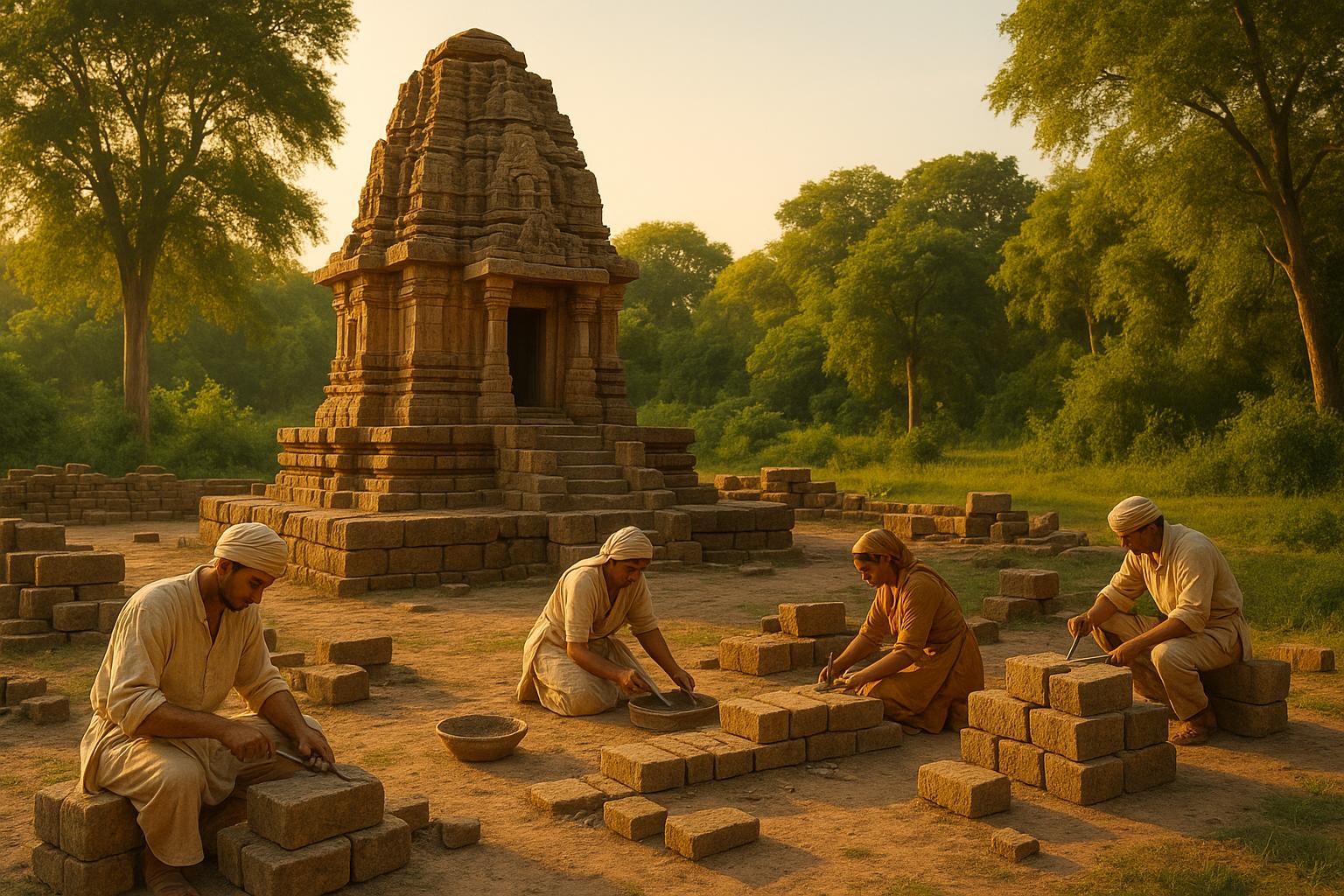
Heritage travel isn’t just about visiting iconic places – it’s about protecting them. This approach ensures historic sites and traditions thrive for future generations. From Peru’s ancient Inca trails to Bali’s rice terraces, these destinations show how tourism can help fund conservation, safeguard traditions, and support local communities.
Here’s a quick look at five standout destinations:
- Krka National Park, Croatia: Famous for waterfalls and historic watermills. Visitor fees fund restoration, with eco-friendly options like electric boats and walking tours.
- Jatiluwih Village, Indonesia: UNESCO-recognized rice terraces maintained by ancient farming practices. Tourists can join farming activities and stay in eco-conscious homestays.
- Aizuwakamatsu, Japan: A samurai-era town with restored landmarks like Tsuruga Castle. Visitors can explore its heritage through workshops, guided tours, and eco-friendly transport.
- Cusco, Peru: Gateway to Machu Picchu, with strict visitor caps to protect ancient sites. Community-led treks and workshops preserve Andean traditions.
- Luang Prabang, Laos: A UNESCO town blending Buddhist temples and colonial architecture. Conservation fees fund temple restoration and promote eco-lodges.
Quick Comparison
| Destination | Key Features | Visitor Activities | Fees |
|---|---|---|---|
| Krka National Park | Waterfalls, historic structures | Eco-tours, trail upkeep volunteering | $15–$25 entry fee |
| Jatiluwih Village | Rice terraces, farming traditions | Farming, cooking classes, homestays | $10–$20 workshops |
| Aizuwakamatsu | Samurai history, restored castles | Tea ceremonies, guided tours | $20–$30 workshops |
| Cusco | Inca ruins, Machu Picchu | Community treks, weaving workshops | $15–$70 activities |
| Luang Prabang | Temples, colonial architecture | Alms processions, weaving classes | $5–$25 activities |
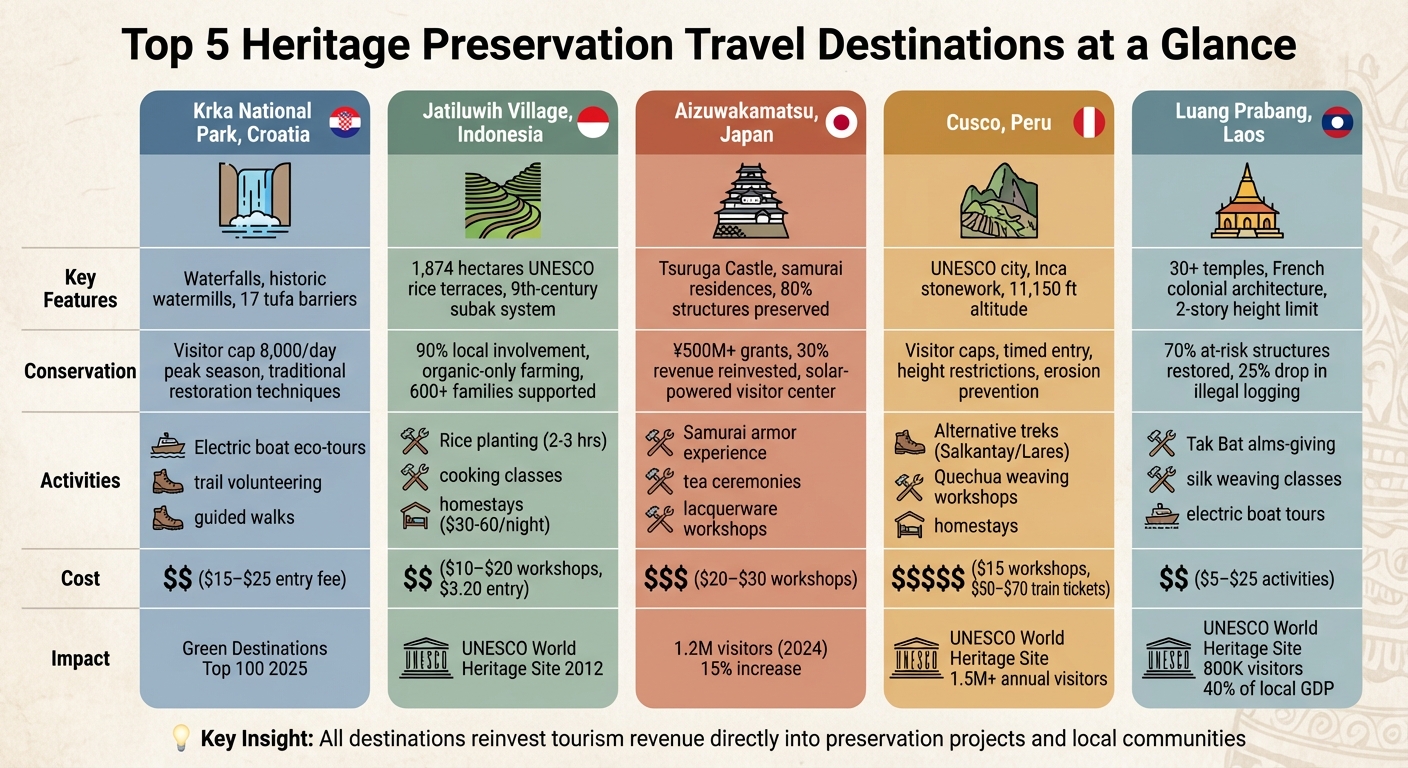
Heritage Preservation Travel Destinations Comparison: Conservation Efforts and Visitor Activities
25 UNESCO World Hertage Sites YOU Need to Visit in Your Life

1. Krka National Park, Croatia
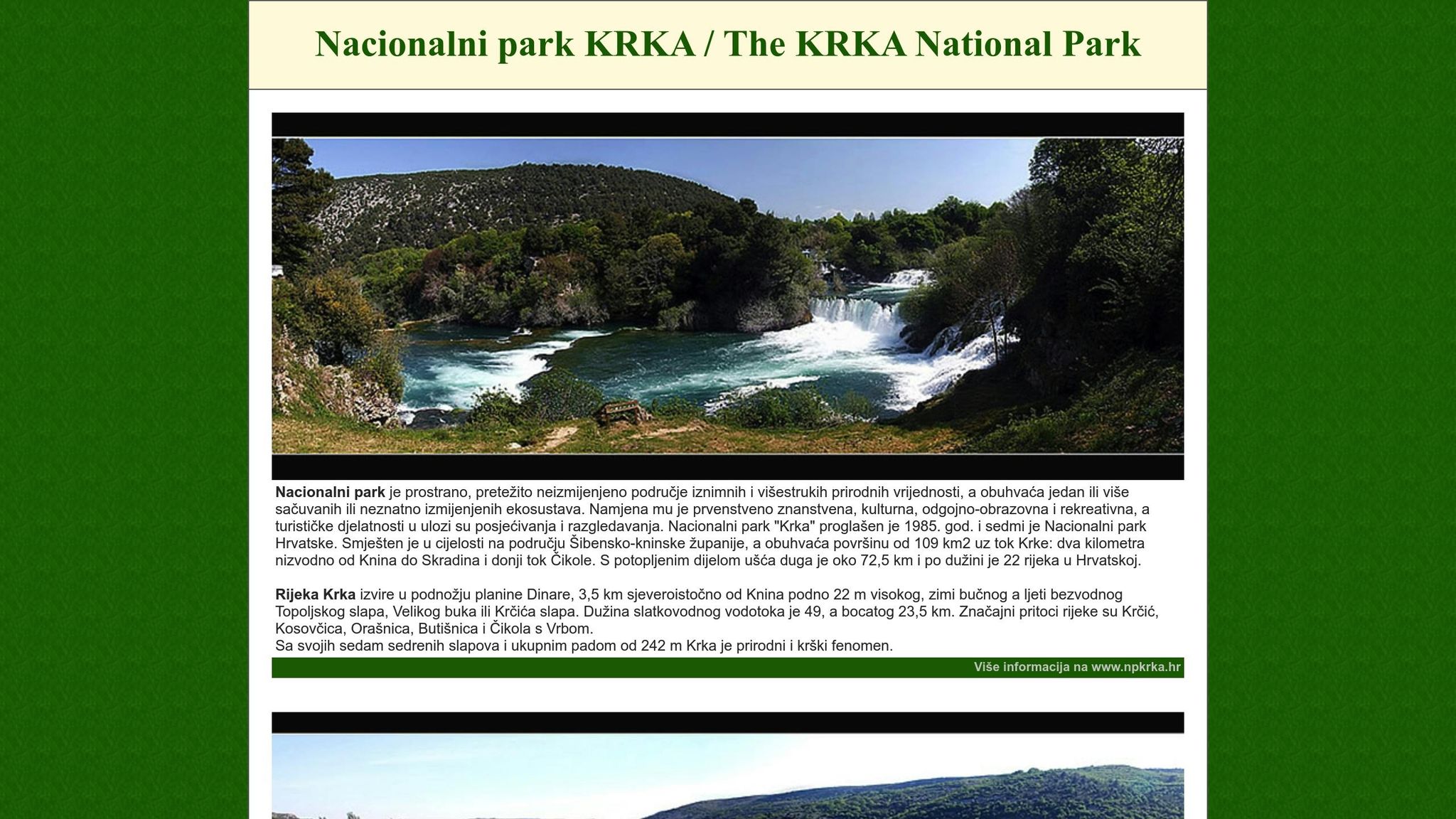
Krka National Park is a treasure trove of natural beauty and history. Its breathtaking waterfalls are complemented by preserved historic landmarks like watermills, stone houses, and religious sites, including the Franciscan monastery on Visovac Island and Krka Monastery. These sites reflect the region’s traditional river-based ways of life, from milling and textile production to monastic study, blending the area’s natural wonders with its rich heritage. The park’s commitment to conservation earned it a spot in the Green Destinations Top 100 2025 Destination Stories, thanks to its efforts to protect 17 tufa barriers – natural travertine formations essential for maintaining ecological balance.
Heritage Conservation Efforts
The park takes great care in preserving its historic structures, employing traditional restoration techniques in line with Croatia’s heritage and nature protection laws. To minimize environmental impact, visitor access is carefully controlled through designated paths, limited group sizes, and guided-only entry in sensitive areas. Informative signage and on-site exhibits provide insights into the restoration process and the historical uses of these structures. Entrance fees directly fund these ongoing conservation projects.
Eco-Friendly Tourism Options
To safeguard its natural and historical treasures, Krka National Park has implemented several eco-friendly tourism measures. Visitors are encouraged to stick to marked trails, boardwalks, and designated swimming areas to protect riverbanks and archaeological sites. During the busy season, shuttle buses and organized boat services help reduce car traffic, while waste-sorting stations and "pack-in, pack-out" policies keep the park clean. Guided boat tours and walking excursions not only enhance the visitor experience but also support the park’s management and restoration efforts. For a more sustainable visit, travelers are encouraged to explore during off-peak seasons, use public transportation from nearby Šibenik, and stay at eco-certified accommodations.
Traveler Experiences and Community Engagement
Krka National Park offers more than just scenic views – it provides opportunities to connect with the local community and culture. Visitors can participate in activities like staying at family-run agritourism farms, enjoying rural homestays, or learning about traditional Dalmatian cooking, olive oil and wine production, or regional music and dance. Supporting local artisans, hiring licensed guides, and dining at family-owned konobas not only enriches the travel experience but also helps sustain local traditions. Guided tours highlight the link between tourism and conservation, emphasizing responsible practices such as staying on marked paths, avoiding contact with fragile structures, dressing modestly at religious sites, and using refillable water bottles.
2. Jatiluwih Village, Indonesia

Jatiluwih Village in Bali stretches across 1,874 hectares (4,630 acres) of stunning rice terraces, nurtured by the ancient subak irrigation system that dates back to the 9th century. In 2012, UNESCO recognized this area as a World Heritage Site, highlighting its role as a living example of the Balinese Hindu philosophy, Tri Hita Karana. This philosophy emphasizes harmony between humans, nature, and the divine. Over 600 families in the surrounding villages depend on these terraces, continuing farming traditions that have flourished for more than a thousand years. Beyond agriculture, the terraces play a key role in supporting biodiversity and ensuring food security. Jatiluwih Village offers a powerful example of how sustainable tourism can preserve traditions while strengthening local communities.
Heritage Conservation Efforts
Preserving the timeless beauty of these rice terraces is a collaborative effort between local farmers and authorities. Subak groups regularly organize communal activities like repairing terrace walls, clearing irrigation channels, and preventing erosion. These efforts are supported by government and NGO grants, which prioritize traditional methods to maintain the landscape’s cultural integrity. The terraces are deeply tied to the Balinese religious calendar, with temple ceremonies marking key agricultural milestones such as planting, transplanting, and harvesting. Tourism revenue helps sustain these rituals, funding offerings, gamelan performances, and traditional dance groups. Meanwhile, village customary law (awig-awig) protects the terraces by restricting land conversion, shielding the area from urbanization and large-scale commercial projects.
Eco-Friendly Tourism Options
Tourism in Jatiluwih is designed with conservation in mind. Visitors pay an entrance fee of about $3.20 USD, which goes toward trail upkeep, trash management, and preservation efforts. To minimize environmental impact, visitors are encouraged to park in designated areas and explore the terraces on foot or by bicycle. Wooden viewing platforms and clearly marked paths help direct foot traffic away from sensitive areas. Local warungs and homestays have adopted eco-friendly practices, offering water bottle refills, reducing single-use plastics, and sorting waste. For a deeper understanding of the terraces, guided tours led by local farmers are available. These tours, priced between $20–$50 USD for 2–3 hours, introduce visitors to sustainable farming techniques like organic fertilization and traditional pest control, with earnings directly benefiting village cooperatives.
Traveler Experiences and Community Engagement
For those seeking an immersive experience, family-run homestays priced at $30–$60 USD per night (including meals) offer a glimpse into daily life in Jatiluwih. Guests can participate in farming activities, learn about religious offerings, and explore local customs. Community programs also allow visitors to join in seasonal rice farming or take traditional cooking classes, where they can see firsthand how crop rotation enriches the soil and how seasonal ingredients shape Balinese cuisine. The village’s governance, which combines the desa adat (customary village council) with subak organizations, ensures that all stakeholders – landowners, farmers, and homestay operators – have a say in decisions about trail locations, entrance fees, and visitor guidelines. Revenue from tourism is reinvested into community projects like repairing paths, maintaining temples, and funding scholarships, ensuring that tourism directly supports the preservation of this unique agricultural landscape and its traditions.
3. Aizuwakamatsu, Japan
Aizuwakamatsu, nestled in western Fukushima Prefecture, is a historic castle town deeply rooted in samurai traditions. Known as "Samurai City", it draws visitors to landmarks like Tsuruga Castle and its preserved historic districts. In 2024, the city welcomed over 1.2 million visitors – an impressive 15% jump compared to pre-pandemic numbers. What’s more, 30% of tourism revenue was reinvested into maintaining its heritage through the Aizu Wakamatsu City Heritage Fund. Recognized as a Japan Heritage story by the Agency for Cultural Affairs, Aizuwakamatsu showcases an integrated approach to preserving its battlefields, castles, temples, and traditional crafts. Since 2010, focused restoration efforts have safeguarded 80% of samurai-era structures, supported by over ¥500 million (approximately $3.3 million USD) in national grants. These initiatives highlight the city’s commitment to conservation and its push toward eco-friendly tourism.
Heritage Conservation Efforts
Tsuruga Castle stands out as Japan’s only castle with a red-tiled roof, restored in 2011 to reflect its Edo-period design based on historical research. Community-driven projects have also revitalized key sites like Iimoriyama Hill, which honors the Byakkotai samurai youth, and the Aizu Hanko Old Samurai Residence, reconstructed with traditional techniques through Fukushima Prefecture funding. A standout project, the 2018–2022 restoration of the Saigo Heisuke Residence, used sustainably sourced cypress wood and was led by Dr. Yuko Takahashi of Fukushima University. This effort not only increased site visits by 25% but also became a benchmark for rural conservation. Sustainability is a priority across the city – Tsuruga Castle’s visitor center uses solar panels to meet 20% of its energy needs, and augmented reality apps bring Boshin War battles to life for over 50,000 users annually. These digital tools reduce wear on historic sites while enhancing education and preservation efforts.
Eco-Friendly Tourism Options
Aizuwakamatsu seamlessly blends heritage with sustainability through eco-conscious tourism. The Haikara-san/Akabee tourist loop bus offers an affordable and convenient way to visit major sites, cutting down on car traffic in sensitive areas. Electric bike rentals provide a low-emission option to explore the castle grounds and scenic rice paddies. Visitors can also enjoy guided walks through Oyakuen Garden, an Edo-period landscape maintained with organic practices, where they can learn about traditional horticulture. Admission fees for the castle and samurai residences remain budget-friendly, and family-run inns certified by Japan’s Green Tourism program provide environmentally friendly lodging. To further reduce waste, public fountains around the city encourage the use of reusable water bottles, minimizing plastic consumption.
Traveler Experiences and Community Engagement
Aizuwakamatsu offers immersive experiences that connect visitors to its rich samurai heritage. At the Aizu Bukemachi Samurai School, guests can don samurai armor and practice swordsmanship under the guidance of Aizu warrior descendants. These activities directly support family-run preservation and restoration projects. Traditional craft workshops in Aizu lacquerware and Aizu-hongo pottery allow travelers to work alongside artisans who carry on centuries-old techniques. During February’s Aizu Candle Festival, 500 handmade candles illuminate the historic streets, with visitors invited to join locals in lantern-making. For a deeper cultural experience, a stay at a traditional ryokan in Higashiyama Onsen offers riverside tranquility and access to historic walking paths. Nearby, the Ouchi-juku post town – recognized as an Important Preservation District – features thatched-roof houses and offers a glimpse into life during the Edo period, perfectly complementing Aizuwakamatsu’s samurai legacy.
sbb-itb-289f5f2
4. Cusco, Peru
Cusco, a UNESCO World Heritage city and the former capital of the Inca Empire, is a breathtaking blend of ancient Inca stonework and Spanish colonial architecture. Sitting at an altitude of about 11,150 feet (3,400 meters), this historic city is the gateway to the iconic Machu Picchu and welcomes over 1.5 million visitors each year. The challenge of maintaining Cusco’s rich history lies in promoting responsible tourism that protects its cultural and architectural treasures. Tourism revenue plays a crucial role in preserving the city’s Inca stone structures and historic buildings while funding programs that keep the Quechua language and Andean traditions alive.
Heritage Conservation Efforts
Revenue from entry fees at landmarks like Sacsayhuamán and Qorikancha supports the restoration and stabilization of historical sites across the region. To manage the impact of heavy foot traffic, the Peruvian government enforces visitor caps and timed entry systems at Machu Picchu and restricts daily access to popular trekking routes, helping to prevent erosion and protect the ancient stone paths and terraces. Local regulations also play a part, limiting building heights, controlling façade modifications, and reducing vehicle traffic to preserve sightlines and safeguard historic foundations. Fees collected from these measures are reinvested into local preservation projects, creating a framework for sustainable tourism in Cusco.
Eco-Friendly Tourism Options
For travelers seeking less crowded and more sustainable adventures, alternative treks like Salkantay, Lares, and Inca Jungle offer lower-impact routes while benefiting remote communities along the way. Many eco-certified lodges and guesthouses in the region prioritize renewable energy, conserve water, and source food locally, reducing environmental pressure while supporting traditional Andean farming practices. Walking tours in Cusco’s historic center, community-led hikes on lesser-known Inca trails, and responsible birdwatching excursions promote leave-no-trace principles and respect for sacred sites. Simple actions, such as opting for shared transportation, using reusable water bottles, and avoiding single-use plastics, can also contribute to sustainability efforts.
Traveler Experiences and Community Engagement
Staying in homestays or community-run guesthouses in nearby Andean villages offers visitors a chance to immerse themselves in daily life – whether by helping with farming, cooking, or participating in local festivals. These experiences directly support household incomes, enabling families to remain on their ancestral lands. Workshops led by Quechua artisans, musicians, and farmers provide hands-on opportunities to learn about traditional textile patterns, Andean instruments, and ancient farming techniques, ensuring these skills are passed down to future generations. Dining at local restaurants and markets that source ingredients from small-scale producers, joining farm tours organized by community groups, and taking food tours that highlight agricultural heritage help visitors appreciate the terraced landscapes and foodways of the Andes. Purchasing textiles and crafts directly from weaving cooperatives or village markets, rather than mass-produced items, ensures that spending supports communities dedicated to preserving their heritage.
5. Luang Prabang, Laos
Luang Prabang, designated as a UNESCO World Heritage Site in 1995, sits at the meeting point of the Mekong and Nam Khan rivers. The town is a stunning mix of traditional Lao architecture, French colonial influences, and over 30 Buddhist temples. As the former royal capital, it draws more than 800,000 visitors annually, with tourism contributing a hefty 40% to the local GDP. However, balancing preservation of its historic charm with the pressures of growing tourism remains a challenge. To protect its unique skyline and sacred spaces, the Luang Prabang Urban Development Administration (LUDA) enforces a strict two-story height limit on new buildings, ensuring the town’s timeless character endures.
Heritage Conservation Efforts
Conservation work in Luang Prabang has been making a difference since 2000, with 70% of at-risk structures – including 30 royal palaces and 32 temples – successfully restored. One standout project is the UNESCO-supported restoration of the 14th-century Wat Xieng Thong, where traditional techniques were used to preserve its intricate mosaic stupa and gilded doors. Between 2023 and 2025, the Japanese Funds-in-Trust is funding the rehabilitation of the former Royal Palace Theater, turning it into a venue for cultural performances that keep traditions alive. Local artisans are also being trained in woodworking and stone carving, ensuring these skills are passed down for future restoration needs. Additionally, a 2024 UNESCO report highlighted a 25% drop in illegal logging within the heritage buffer zone, thanks to community patrols funded by eco-tourism fees, keeping deforestation rates under 1% annually.
Eco-Friendly Tourism Options
Sustainability is at the heart of tourism in Luang Prabang. Hotels like Maison Puamahan operate using solar power and locally sourced materials, while eco-lodges along the Mekong adhere to zero-waste policies, supported in part by a UNESCO tourism tax. Visitors can opt for low-emission activities such as electric boat tours to the Pak Ou Caves or $5/day bike rentals from Green Discovery. Entry fees at attractions like the Kuang Si Waterfalls – priced at $25 per adult and including access to the butterfly park and bear sanctuary – help fund conservation and wildlife protection efforts. Meanwhile, the Traditional Arts and Ethnology Centre (TAEC) educates visitors about Hmong, Khmu, and Tai Dam crafts, with admission fees going directly toward preserving minority cultural traditions.
Traveler Experiences and Community Engagement
For a more immersive experience, travelers can stay in homestays in Ban Xang Khong ($30–50/night), where they can participate in daily alms-giving (Tak Bat) and cooking classes. Proceeds from these activities often support temple maintenance. A 2023 Asian Development Bank study revealed that community tourism programs have reduced waste by 25% and boosted local incomes by 40% in nearby villages. Guided heritage walks ($15–25) offer insights into artisan workshops, showcasing traditional silk weaving and natural dyeing techniques. The Luang Prabang Night Market provides a platform for weavers’ cooperatives, ensuring that purchases of Subai-dyed textiles directly support local artisans. Visitors can also volunteer with organizations like Big Brother Mouse, teaching English to monks and supporting education in monastic communities while helping preserve oral traditions.
Comparison Table
Here’s a quick look at how different destinations approach heritage preservation and tourism. Each place has its own way of protecting its history and inviting visitors to participate in meaningful ways.
| Destination | Key Preservation Programs | Visitor Participation Options | Conservation Practices | Cost Range |
|---|---|---|---|---|
| Krka National Park, Croatia | Restoration of Ottoman-era structures and medieval fortifications like Krka Monastery; daily visitor cap of 8,000 during peak season. | Eco-tours on electric boats, volunteer opportunities for trail upkeep, and donation options through conservation tickets. | Strict visitor limits, biodiversity-focused measures, and restoration funded by tourism revenue. | $15–$25 entry fee |
| Jatiluwih Village, Indonesia | Community-driven revival of UNESCO-protected subak rice terraces and water temple rituals, with 90% local involvement across 600 hectares. | Rice planting with farmers (2–3 hours), homestays, and guided hikes through the subak system. | Organic-only farming, pesticide bans, and visitor centers powered entirely by renewable energy. | $10–$20 donation-based workshops |
| Aizuwakamatsu, Japan | Restoration of Tsuruga Castle (completed in 2011, ongoing maintenance), preservation of Aizu Clan School Nisshinkan, and digital archiving of Byakkotai artifacts. | Tea ceremonies in historic samurai homes, volunteer cleanups at castle ruins, and cultural exchange homestays. | Government-backed restoration and annual maintenance of heritage sites. | $20–$30 per workshop |
| Cusco, Peru | Seismic retrofitting of Sacsayhuamán stone walls, restoration of Qorikancha temple, and eco-friendly routes to Machu Picchu planned for 2025. | Quechua weaving workshops, archaeological digs, "adopt-a-stone" donation programs, and sustainable small-group treks. | Small-group visitor limits, community funds from train ticket sales, and anti-deforestation efforts. | $15 for workshops; $50–$70 for train tickets |
| Luang Prabang, Laos | Monk-led restoration of temples like Wat Xieng Thong and preservation of French-colonial architecture through community trusts. | Morning alms processions with eco-guidelines ($5–$10 donation), silk weaving classes, and river cleanup activities by boat. | Plastic bans, waste management programs, and organized river cleanups. | $5–$10 donation for alms processions |
What ties these places together? Visitor contributions directly fund the preservation efforts. Whether it’s an entry fee at Krka, a rice planting session in Jatiluwih, or a donation during an alms procession in Luang Prabang, every dollar helps sustain these projects. Workshops in Aizuwakamatsu and Cusco provide hands-on cultural experiences, while Jatiluwih and Luang Prabang emphasize community-based tourism.
Conclusion
Heritage travel isn’t just about exploring breathtaking destinations – it’s about actively contributing to the preservation of history and culture. Visiting places like Krka National Park, Jatiluwih Village, Aizuwakamatsu, Cusco, or Luang Prabang helps fund restoration projects, support local communities, and protect traditions for generations to come. By opting for eco-certified tours, respecting site guidelines, and adhering to conservation practices, you help make preservation a sustainable reality for the people who call these places home.
The impact of sustainable tourism is tangible. Every entry fee you pay and every locally crafted item you purchase directly supports conservation efforts. This holds true for all five destinations in this guide, where thoughtful travel choices make a measurable difference.
Every decision matters. Whether it’s booking an eco-certified tour, supporting local artisans, or simply following site rules, your actions contribute to the preservation of fragile heritage sites. Traveling during less crowded shoulder seasons, sticking to marked paths, and respecting photography restrictions are small adjustments that can significantly reduce your impact.
For practical tips on eco-friendly travel, check out Take More Adventures. Their "Eco-Friendly Travel Tips: How to Leave No Trace" guide and adventure planning resources offer actionable advice to help you make responsible choices – from packing to your journey home.
From the cascading waterfalls of Krka to the serene temples of Luang Prabang, these destinations promise unforgettable experiences when visited with care. Your mindful travel choices don’t just protect history – they ensure that these traditions endure for future generations. Together, we can preserve our shared heritage, one journey at a time.
FAQs
How does heritage travel help protect cultural sites?
Heritage travel serves as a key contributor to preserving historical and cultural landmarks. By drawing in tourism dollars, it provides the financial support needed for maintenance and restoration efforts. This type of travel also educates visitors, helping them understand the significance of these sites and encouraging a deeper appreciation for cultural heritage.
Beyond preservation, heritage travel benefits local communities by boosting their economies. It creates jobs and supports businesses, while also motivating locals to protect their traditions and historic landmarks, ensuring they endure for future generations.
What are some eco-friendly ways to explore heritage destinations?
When visiting heritage destinations, you can make sustainable choices that benefit both the environment and the local community. Opt for guided tours that focus on conservation efforts, book stays at eco-conscious accommodations, and consider supporting tourism initiatives led by local communities. To minimize your environmental footprint, try exploring the area on foot, by bike, or using public transportation – these options not only reduce impact but also offer a deeper connection to the local way of life. Seek out activities that actively help protect the area’s cultural and natural heritage, ensuring these treasures endure for generations to come.
What are some ways travelers can help preserve cultural heritage during their trips?
Travelers play a key role in protecting and celebrating cultural heritage by opting for tours and activities that emphasize respect for local traditions and sustainable practices. Choosing community-led experiences, like workshops or guided tours, not only enriches your trip but also directly supports efforts to preserve cultural customs.
It’s also crucial to be aware of your environmental and cultural impact. Reduce waste, steer clear of behaviors that might harm historical sites, and adhere to local guidelines aimed at safeguarding these treasures. Even small, considerate actions can go a long way in ensuring these cultural legacies thrive for generations to come.