Complete National Parks Road Trip Planning Guide
If you’re planning a national parks road trip, here’s what you need to know:
- Choose Parks by Interest: Wildlife enthusiasts should visit Yellowstone, while hikers will enjoy Zion. Group parks by region for efficient routes (e.g., Utah’s "Big Five" or California’s Sierra Nevada).
- Plan for the Season: Summer is great for mountain parks but expect crowds. Desert parks are best in spring or fall, while winter offers quieter experiences in places like Joshua Tree.
- Sample Routes: Try a 10-14 day loop in the Southwest starting in Las Vegas or an 8-12 day Pacific Northwest trip from Seattle.
- Budgeting Tips: Save money with an annual park pass, camp when possible, and calculate fuel costs in advance.
- Pack Smart: Bring layered clothing, sturdy footwear, reusable water bottles, and eco-friendly gear like solar chargers and biodegradable toiletries.
- Safety First: Stick to marked trails, carry a first aid kit, and stay at least 25 yards away from most wildlife (100 yards for predators).
This guide covers everything from planning your route to staying safe and minimizing your impact on nature. Whether it’s a short getaway or a longer adventure, the open road is ready for you.
How to Plan a SUCCESSFUL National Park Trip
Choosing Your National Parks and Planning the Route
The secret to a successful national parks road trip lies in choosing the right parks and mapping an efficient route. With 63 national parks spread across the U.S., it can feel like a daunting task. The trick? Focus on what excites you, group parks by region, and plan routes that make sense geographically.
Picking Parks Based on Interests and Location
Let your interests guide your choice of parks. For example:
- Wildlife lovers will be in awe at Yellowstone, home to bison herds and elusive wolves.
- Photography enthusiasts will adore the dramatic beauty of Arches, with its 2,000+ stone arches.
- Hikers can tackle everything from easy trails to the thrilling Angels Landing at Zion.
For road trips, regional clusters are your best friend. They allow you to visit multiple parks without spending too much time on the road. Here are some great regional options:
- Southwest: Utah’s "Big Five" (Arches, Canyonlands, Capitol Reef, Bryce Canyon, and Zion) are all within a 300-mile radius.
- California’s Sierra Nevada: Combine Yosemite, Sequoia, and Kings Canyon for a journey through towering mountains and ancient forests.
- Pacific Northwest: Create a loop connecting Olympic National Park, Mount Rainier, and Crater Lake.
- Northern Rockies: Explore Glacier, Yellowstone, and Grand Teton for a wildlife-rich adventure through untouched wilderness.
Timing Your Trip for the Best Experience
Timing can make or break your road trip. Each season offers unique opportunities and challenges:
- Summer: While high-elevation parks like Glacier and Rocky Mountain are fully accessible, expect large crowds and hot temperatures in desert parks.
- Spring (March-May): Enjoy milder weather and blooming wildflowers in places like Great Smoky Mountains and Death Valley. Just be prepared for unpredictable weather.
- Fall (September-November): Cooler temperatures make desert hikes more pleasant, and forests burst into brilliant autumn colors. This is a sweet spot for good weather and fewer crowds.
- Winter: High-elevation parks may be snowed in, but desert parks like Joshua Tree and Big Bend offer perfect hiking weather, with daytime temperatures in the 60s-70s°F.
Some parks have specific timing needs. For instance, Zion’s Narrows hike is best from late spring to early fall when water levels are lower. Glacier’s famous Going-to-the-Sun Road usually doesn’t open until late June or early July. Death Valley, on the other hand, is most enjoyable from November through March.
Sample Road Trip Routes
Here are a few sample itineraries to spark your planning:
- Southwest Classic: This 1,200-mile loop takes 10-14 days, starting in Las Vegas. Visit Zion’s towering cliffs, Bryce Canyon’s hoodoos, Capitol Reef’s pioneer history, Arches’ iconic Delicate Arch, Canyonlands’ sprawling mesas, and finish at the Grand Canyon’s South Rim before heading back to Vegas.
- Pacific Northwest Adventure: Covering about 1,000 miles in 8-12 days, this trip starts in Seattle. Explore Olympic National Park’s rainforests and rugged coastlines, head to Mount Rainier’s glacier-carved peaks, and end at Crater Lake, the deepest lake in the U.S.
- Northern Rockies Wildlife Circuit: This 800-mile route through Montana and Wyoming takes 10-14 days. Start at Glacier National Park with its 700+ miles of trails, then head to Yellowstone for geysers and abundant wildlife, and finish at Grand Teton, where jagged peaks rise dramatically from the valley floor.
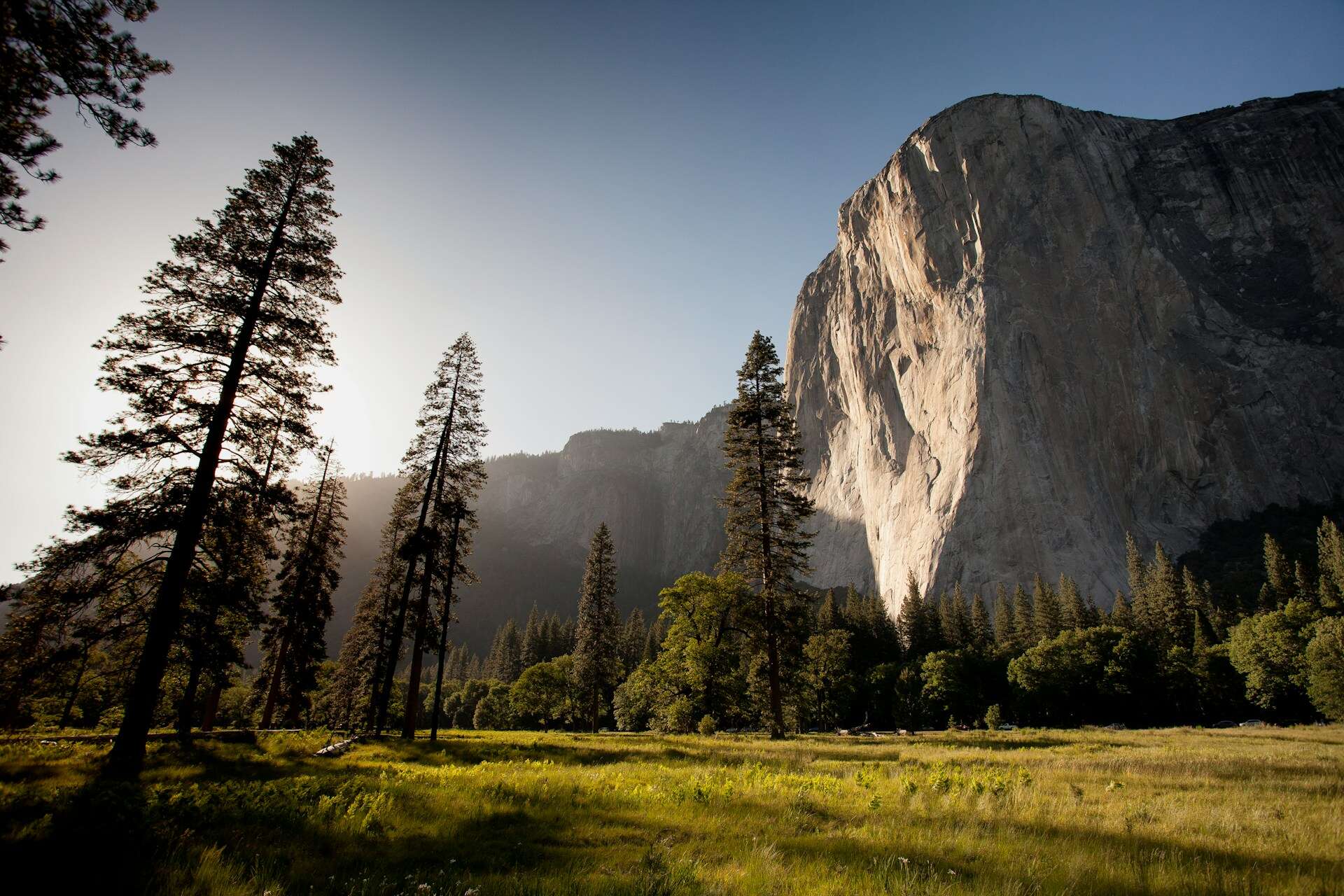
- California Sierra Nevada Loop: This shorter trip spans about 600 miles over 7-10 days. Begin at Yosemite with its iconic Half Dome and El Capitan, then head south to Sequoia to walk among the world’s largest trees. Wrap it up at Kings Canyon, known for its deep granite gorges and serene wilderness.
Once you’ve picked your parks and mapped your route, it’s time to dive into the details – crafting your itinerary and setting a budget for your adventure.
Creating Your Itinerary and Budget
Once you’ve chosen your parks and mapped out your route, the next step is to dive into the details. A well-thought-out itinerary and budget can make your trip smoother and more enjoyable, ensuring you get the most out of your adventure.
Daily Itinerary Planning
Plan each day with a mix of activities and enough flexibility to adapt to surprises along the way. Leave room for driving and exploration, but don’t cram too much into one day – you’ll want time to soak in the experience. Tackle more physically demanding activities earlier in the day when you’re feeling fresh, and save the lighter, more relaxed moments for later. This balance can help you avoid burnout and keep the trip enjoyable.
Budgeting for Entry Fees, Accommodations, and Fuel
Whether you’re traveling on a shoestring budget or looking for a little extra comfort, national park road trips can fit a range of spending plans. Camping, especially free dispersed camping on public lands, is a fantastic option to save money. If you prefer a bit more luxury, short-term rentals like Airbnbs are a great alternative, particularly for groups – they often provide more space and amenities at a reasonable cost.
Don’t forget to budget for essentials like park entry fees, lodging, fuel, and unexpected expenses. If you’re visiting multiple parks, consider investing in an annual pass – it’s a cost-effective way to cover entry fees. For fuel, calculate your expected mileage and factor in your vehicle’s efficiency alongside current gas prices to get a clear picture of your travel costs.
Food and Meal Planning
When it comes to meals, a little planning goes a long way in keeping costs down without sacrificing convenience. Simple, camp-friendly meals like one-pot dishes are easy to prepare and budget-friendly. Stock up on non-perishable snacks to keep you fueled throughout the day. That said, be sure to leave room in your itinerary (and budget) for a few meals at local restaurants – sampling regional flavors can be a fun and memorable part of your trip. Don’t forget to pack essential cooking gear and a reliable cooler to keep everything fresh.
Now that you’ve got your itinerary and budget squared away, it’s time to prepare your gear and essentials for a sustainable outdoor adventure.
Packing List and Eco-Friendly Gear
Packing the right gear can make a world of difference when you’re exploring national parks. Thoughtful preparation not only ensures your comfort but also helps preserve these stunning landscapes for generations to come. By choosing versatile and eco-conscious items, you can enjoy your adventure while minimizing your impact on the environment.
Required Gear and Clothing
Layered clothing is essential for dealing with fluctuating temperatures. Mornings might start at a chilly 35°F, only to climb to 85°F by afternoon. Start with moisture-wicking base layers, add a warm fleece or down mid-layer, and finish with a waterproof shell. This setup keeps you comfortable without adding unnecessary bulk.
Your footwear depends on the terrain you’ll encounter. For rugged trails like those in Zion or the Grand Canyon, sturdy hiking boots with ankle support are a must. On flatter trails, such as those in Everglades National Park, lightweight trail runners might be all you need. Whatever you choose, break in your boots with at least 50 miles of walking to avoid blisters.
Hydration is critical, so pack a reusable water bottle or hydration system. In desert environments, aim for about 1 gallon of water per person per day, while cooler climates may only require half that amount. Insulated bottles are a great option – they keep your water cool in scorching heat and prevent freezing in frigid weather.
Weather-appropriate outerwear will vary depending on the park and the season. A lightweight rain jacket is versatile for most conditions, but if you’re heading to Yellowstone in winter, you’ll need a heavily insulated parka designed for subzero temperatures. Check historical weather data for your destination to pack accordingly.
Don’t overlook sun protection. Wide-brimmed hats, UV-blocking sunglasses, and sunscreen with at least SPF 30 are non-negotiable, especially in high-altitude parks like Rocky Mountain National Park, where UV exposure is more intense.
Eco-Friendly Travel Gear
Eco-conscious gear doesn’t just help the environment – it often makes your trip more efficient too.
Solar chargers are a great tool for backcountry trips, letting you charge devices like smartphones in just a few hours without relying on disposable batteries or generators.
Switch to biodegradable toiletries to protect sensitive ecosystems. Regular soaps and shampoos can harm aquatic life, even when used far from water sources. Plant-based alternatives break down naturally, leaving no harmful residues.
Ditch single-use plastics by packing reusable food containers and utensils. Lightweight options, like titanium or BPA-free plastic, can handle everything from snacks to hot meals. Collapsible silicone containers are especially handy for saving space in your pack.
A water filtration system is a smart addition to your gear. These systems let you safely refill from natural water sources, cutting down on plastic bottle waste. Many filters can process up to 1,000 gallons before needing replacement.
For lighting, rechargeable headlamps and flashlights are hard to beat. Modern LED models last over 100 hours on a single charge and often include red light modes, which are less disruptive to wildlife and preserve your night vision.
Once your eco-friendly gear is sorted, make sure you’re prepared for the unexpected with essential safety supplies.
Emergency and Safety Supplies
A well-stocked first aid kit can turn potential emergencies into minor inconveniences. Include blister treatments, pain relievers, antiseptic wipes, gauze, medical tape, and any personal medications. If possible, consider taking a wilderness first aid course to make the most of your kit.
A good multi-tool is invaluable for a variety of tasks, from gear repairs to food prep. Look for one that includes a knife, scissors, pliers, and screwdrivers. Stainless steel models are especially durable in humid conditions.
In areas with limited cell service, emergency communication devices are a lifesaver. Personal locator beacons can summon rescue services via satellite, while two-way radios help groups stay in touch during hikes.
Backup navigation tools are essential when technology fails. Always carry waterproof paper maps and a reliable compass, and download offline maps to your smartphone before heading out. However, never rely solely on electronic devices.
Finally, pack emergency shelter and fire-starting supplies. Space blankets are lightweight but effective, reflecting 90% of body heat, while waterproof matches and fire starters are critical in wet conditions. Even on short day hikes, these items can be lifesavers if the weather takes an unexpected turn.
sbb-itb-289f5f2
Navigation Tools and Trip Resources
Once your itinerary is set and your eco-friendly gear is packed, having the right navigation tools can make all the difference between a stressful trip and a seamless adventure. National parks often cover vast areas with limited cell service, so being well-prepared is key to both your safety and enjoyment.
Using Maps, Apps, and Guidebooks
At park entrances, you can grab official maps for free. These maps go beyond what generic GPS apps offer, detailing trail difficulties, elevation changes, and safety tips. Park rangers frequently update them to reflect seasonal closures, construction, or areas with increased wildlife activity.
Mobile apps can be a game-changer when you have a connection. The National Park Service app, for instance, includes interactive maps, audio tours, and real-time alerts. Weather apps like Weather Underground are also handy, offering hyperlocal forecasts so you can adjust your plans as conditions change.
For those moments when your devices let you down, printed guidebooks are a reliable backup. They often include detailed trail descriptions, difficulty ratings, estimated hiking times, and even tips on the best photo spots or hidden viewpoints.
The best approach? Use a mix of tools. Cross-check your route using both digital and paper maps, and always carry a physical backup. This combination ensures you’re ready for anything, especially in remote areas.
Offline Resources for Remote Areas
Dedicated GPS devices with preloaded topographic maps are a lifesaver when cell service disappears. Unlike smartphone GPS, which often relies on data connectivity, these devices can accurately guide you back to safety no matter where you are.
It’s also smart to jot down key information, like the locations of ranger stations, nearby hospitals, and emergency services. Having the exact coordinates of your campsite or lodging can be vital if you need to call for help.
Don’t forget to bring a paper map with detailed directions and landmarks. Look for maps that highlight alternate routes around construction or closures, as well as the locations of gas stations along less-traveled roads.
National Park Service Resources
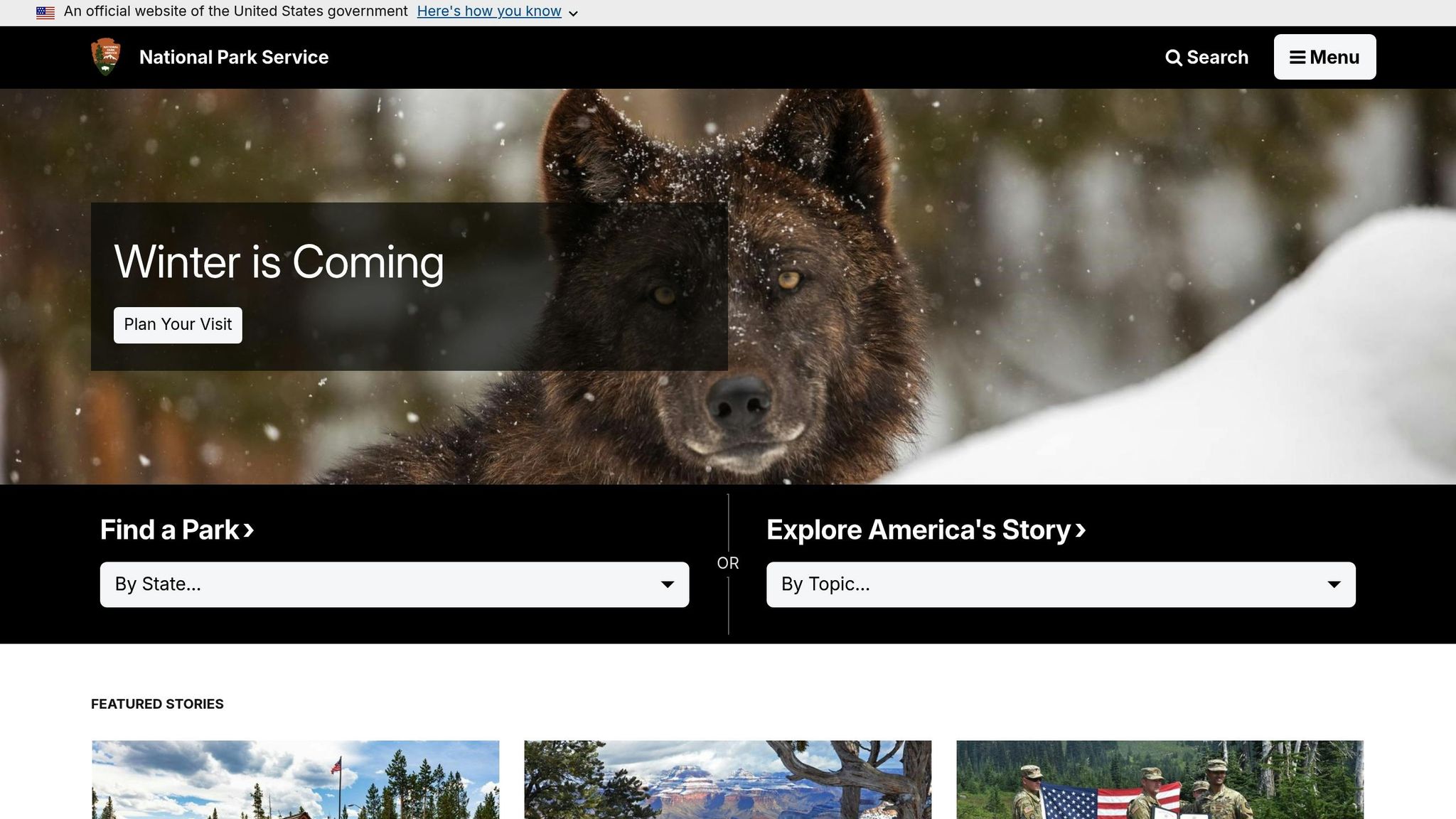
The National Park Service website is a treasure trove of up-to-date information on park conditions, road closures, and safety alerts. Park-specific pages often include details on seasonal accessibility, permits, and gear recommendations. For example, some parks might require bear canisters during certain months, while others have strict rules about drone usage or pets.
Social media accounts for individual parks are another great resource. They often post real-time updates on wildlife sightings, temporary closures, or weather changes. Following these accounts can help you adjust plans quickly and even discover unexpected opportunities.
For local expertise, nothing beats ranger programs and visitor center resources. Rangers can provide the latest trail conditions, share insights on wildlife activity, and suggest alternative activities if weather or other factors disrupt your plans. Visitor centers also stock specialized maps tailored to specific activities like rock climbing, fishing, or winter sports, complete with safety tips and equipment recommendations.
With these tools and resources, you’ll be ready to navigate the great outdoors confidently and make the most of your national park adventure.
Outdoor Adventure and Safety Preparation
With your route planned and resources ready, it’s time to focus on staying safe while enjoying your national park road trip. A little preparation can be the difference between an unforgettable adventure and an avoidable mishap.
Trail Selection and Hiking Tips
Pick trails that match your fitness level by checking the distance, elevation, and difficulty on park websites. Starting your hikes early not only helps you avoid the heat but also increases your chances of spotting wildlife. Stick to marked trails and posted guidelines, and always stay hydrated. For longer hikes, consider bringing electrolyte replacements to keep your energy up.
Wildlife Safety and First Aid
Keeping a safe distance from wildlife is critical. The general rule is to stay 25 to 50 yards away from most animals and at least 100 yards from predators like bears, wolves, or mountain lions. Before your trip, research the park’s specific wildlife. For example, elk can be aggressive during their rutting season in September and October, and bears are typically more active in late summer as they prepare for hibernation.
If you’re in grizzly bear territory, bear spray is a must. Since airlines don’t allow it, plan to buy some locally and learn how to use it before heading into the backcountry.
Make sure your first aid kit is stocked to handle common trail injuries. And when observing wildlife, use binoculars or a telephoto lens instead of trying to get close. This keeps both you and the animals safe.
Leave No Trace Principles
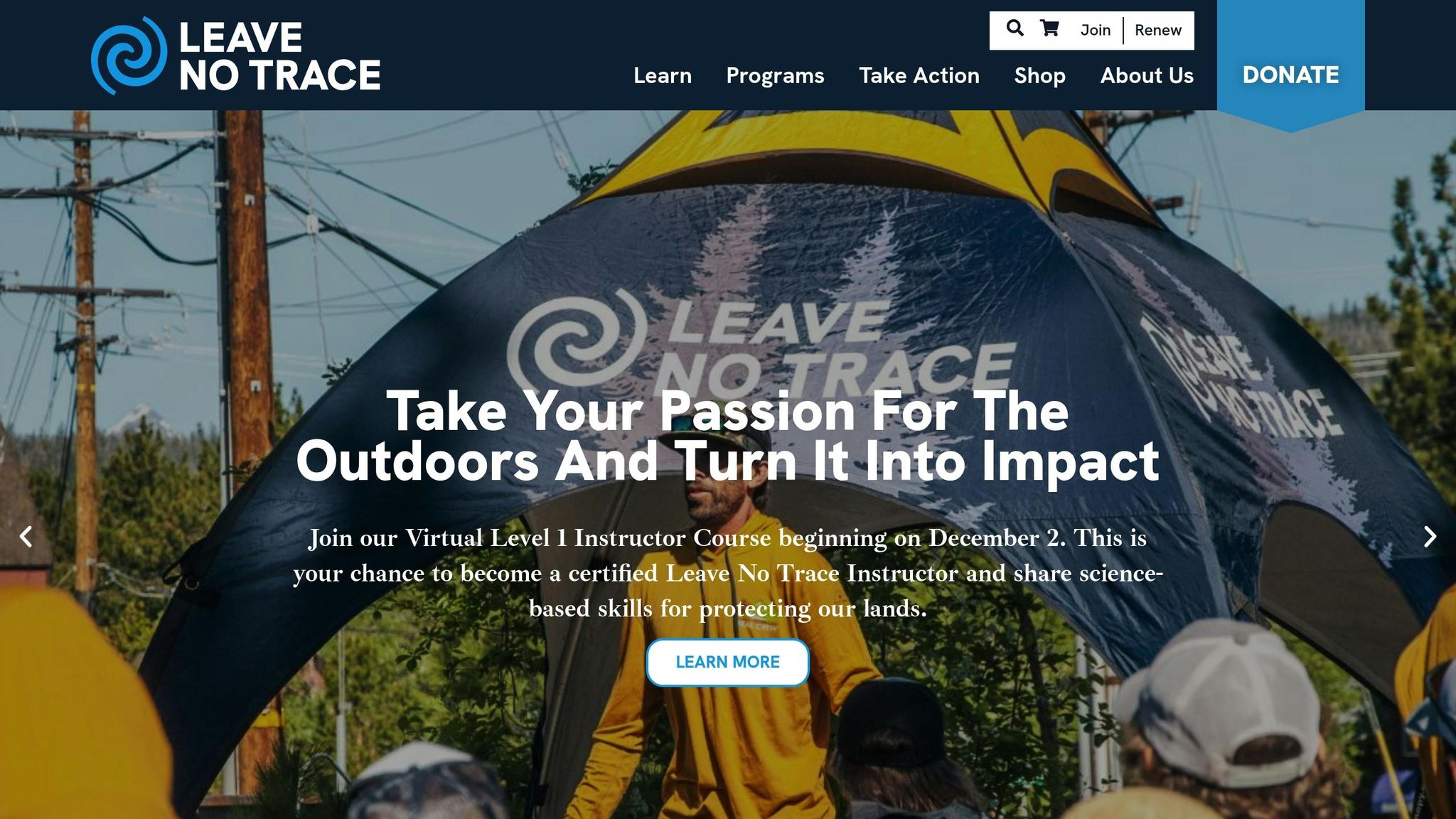
Following Leave No Trace principles helps protect the natural beauty of national parks. Always pack out everything you bring in, including food scraps, to avoid attracting wildlife and disrupting their natural behavior. Stick to designated trails to prevent erosion and protect fragile vegetation.
Resist the urge to pick wildflowers or collect natural items like rocks or pinecones. Leaving nature undisturbed ensures that future visitors can enjoy the same pristine environment. Be sure to follow local waste disposal guidelines and campfire regulations. If campfires are allowed, only use established fire rings, burn dead and downed wood, and make sure the fire is completely out before leaving. During dry seasons, fire restrictions are common, so always check conditions beforehand.
Incorporate these safety practices into your plan to ensure a safe and enjoyable outdoor adventure.
Your National Parks Road Trip Awaits
You’re ready to hit the road and explore the beauty of America’s national parks. With everything from choosing the parks that match your interests and the season to crafting a budget-friendly itinerary, you’ve got the groundwork for an unforgettable adventure.
The key to a smooth trip lies in preparation. Packing the right gear, understanding park rules, and staying mindful of wildlife safety can make all the difference. With the tools and tips you’ve gathered, you’ll be ready to stay connected and navigate even the most remote spots. And by following Leave No Trace principles, you’ll play a part in preserving these stunning landscapes for future generations.
Whether you’re drawn to the vast deserts of the Southwest, the towering sequoias of California, or the dramatic canyons of Utah, your journey promises unforgettable moments. Picture yourself standing in the early morning mist at Yellowstone’s geysers or taking in the breathtaking views along the Pacific Coast. Whether it’s a week-long escape or a month-long odyssey, there’s something for every adventurer.
Start by choosing your first park and mapping out your route. With your thoughtful planning and eco-friendly mindset, this road trip will be more than just a getaway – it’s a chance to connect with nature, test your limits, and experience the incredible diversity of America’s wilderness. The open road is calling, and the adventure of a lifetime awaits.
FAQs
How do I pick the best national parks to visit based on my interests and the season?
Choosing a national park to visit often depends on your interests and the time of year. Some parks are at their best during specific seasons. For instance, Death Valley National Park is more enjoyable in cooler months like January, while Zion National Park offers great conditions in May.
Think about what excites you most – whether it’s hiking, spotting wildlife, or capturing stunning photos – and find parks that match those interests. Also, keep seasonal factors in mind, such as road closures, peak visitor times, or unique events, to make your trip as seamless as possible.
How can I save money on entry fees and accommodations during a national parks road trip?
To stretch your budget on a national parks road trip, think about getting the America the Beautiful Pass. This pass gives you access to most U.S. national parks for a whole year, covering entry fees and potentially saving you a lot. Opting for camping instead of hotels is another way to keep costs down – many parks have campsites that are easy on the wallet.
Be on the lookout for fee-free days offered throughout the year, and don’t forget about discounts available for seniors, students, and military members. Planning your visit during the off-season can also help you sidestep higher prices on lodging and activities. Lastly, carpooling with friends or family not only cuts down on fuel costs but also lets you share entrance fees, making the trip even more affordable.
What eco-friendly gear should I bring to reduce my environmental impact during a national park road trip?
When visiting parks, consider packing eco-conscious essentials to help reduce waste. Bring along a reusable water bottle, stainless steel or silicone food containers, and rechargeable batteries. A lightweight reusable shopping bag is perfect for groceries or souvenirs, and a solar-powered charger can keep your devices powered without relying on traditional energy sources.
For clothing and gear, aim for items crafted from sustainable materials such as organic cotton or recycled fabrics. Supporting brands that prioritize environmentally friendly practices ensures your purchases contribute to conservation efforts. Small choices like these can play a big role in protecting the natural beauty of the parks for generations to come.