
Hiking Trail Difficulty Calculator
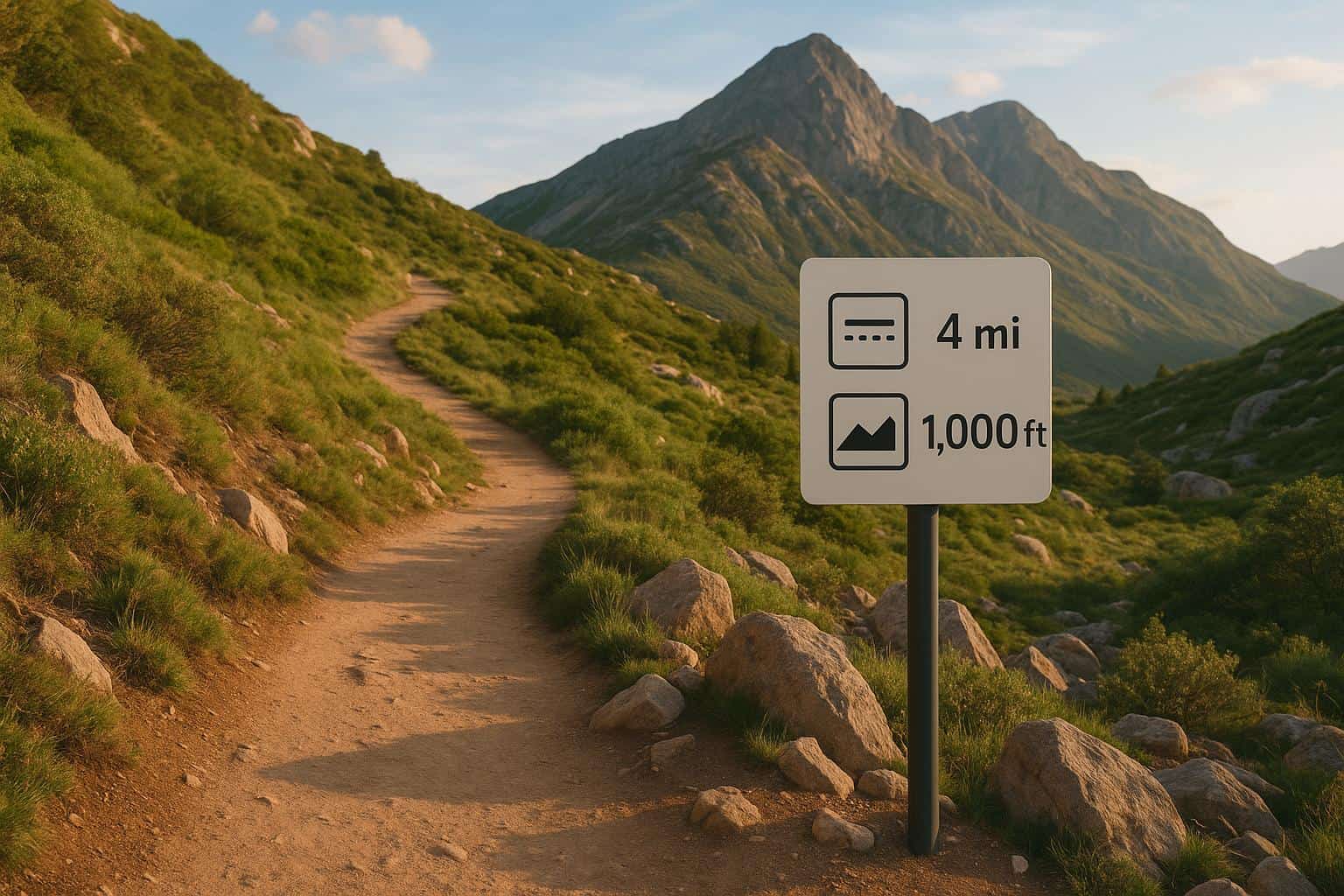
Plan Smarter with a Hiking Trail Difficulty Calculator
When you’re gearing up for a hike, knowing what you’re in for can make all the difference. Many trails look manageable on a map, but steep climbs or tricky terrain can turn a casual stroll into a grueling test. That’s where a tool to assess trail challenges comes in handy. It breaks down the nitty-gritty—distance, elevation changes, and ground conditions—to give you a clear sense of what to expect.
Why Assessing Hike Challenges Matters
Hiking isn’t just about lacing up your boots and hitting the path. A short trail with a sharp ascent can be tougher than a longer, flatter route. By crunching the numbers on elevation gain per mile and factoring in whether you’re navigating rocky slopes or smooth dirt, you get a realistic difficulty rating. This helps beginners avoid overambitious routes and lets experienced hikers seek the right level of adventure. Plus, it’s a fantastic way to stay safe—knowing your limits means fewer surprises on the trail. So next time you’re planning an outdoor escape, take a moment to evaluate the challenge ahead and hike with confidence.
FAQs
How does the difficulty score get calculated?
Great question! We use a formula that looks at elevation gain per unit of distance, so steeper trails score higher. Then we factor in terrain—rocky or muddy paths bump up the challenge compared to smooth ones. Your hiking speed also plays a role; slower speeds might make a trail feel tougher. Finally, we scale it to a 1-10 range, with edge cases like zero elevation or super short trails flagged with custom feedback to keep things realistic.
What if my trail has no elevation gain?
No worries at all! If your trail is flat as a pancake, the tool will still give you a score based on length and terrain. You’ll likely get a lower difficulty rating, and we’ll note it’s an easy walk—perfect for a casual day out. We’ve built in checks to ensure you’re not left wondering what a zero elevation result means.
Can I trust this tool for serious hike planning?
Absolutely, though I’d always pair it with other prep. This calculator gives a solid starting point by weighing key factors like elevation and terrain against your pace. It’s based on tried-and-true hiking metrics, but remember, real-world conditions—weather, trail maintenance, or your fitness on the day—can shift things. Use our score as a guide, and double-check with local resources or maps for the full picture.