Leave No Trace: Campfire Guidelines
When it comes to campfires, the stakes are high. Poorly managed fires lead to wildfires, scarred landscapes, and depleted natural resources. Following Leave No Trace principles ensures you enjoy the outdoors while protecting it for future generations. Key takeaways:
- Wildfire Risks: Campfires cause 80–90% of human-related wildfires in the U.S.
- Preparation: Check fire regulations, skip fires in fragile areas, and use local, dead wood.
- Safe Practices: Use existing fire rings, keep fires small, and never leave them unattended.
- Extinguish Completely: Use the Water, Stir, and Feel method to ensure no embers remain.
- Fire-Free Alternatives: Portable stoves, lanterns, and stargazing are safer, low-impact options.
Leave No Trace: Minimize Campfire Impacts | stay safe with your fire in the backcountry

Planning Ahead: Pre-Campfire Preparation
Making sure you’re ready before striking a match is crucial for managing campfire impacts responsibly. A little preparation goes a long way in ensuring your trip is both enjoyable and safe. Start by researching fire regulations and assessing whether a campfire is truly necessary for your outing.
Check Fire Restrictions and Regulations
Before heading out, connect with the appropriate land management agency – whether it’s the National Park Service, U.S. Forest Service, Bureau of Land Management, or your state parks department. Most of these organizations have websites with current information on fire bans, seasonal restrictions, and campground-specific rules. Keep in mind that fire danger levels can shift quickly due to weather, drought, or high winds. In some high-altitude or desert areas, year-round fire bans might be in place. Double-checking these details ahead of time helps you avoid surprises and adjust your plans if needed.
Decide If You Really Need a Campfire
Sometimes, the most responsible thing you can do is skip the campfire altogether. Ask yourself: Is the fire danger too high? Is firewood readily available without harming the environment? Some sensitive areas, like alpine or desert regions, struggle to regenerate trees and shrubs after repeated firewood collection. Also, think about whether your group is equipped to safely manage and extinguish a fire. If there’s any doubt, consider using fire-free alternatives like portable stoves or lanterns.
Gather the Right Supplies
If you’ve determined a campfire is appropriate, preparation is everything. Make sure there’s a water source nearby, or bring enough water with you to safely extinguish the fire when you’re done. Use local firewood or only collect dead, fallen wood to prevent spreading pests or diseases. Don’t forget to pack essential tools like a shovel and a bucket to help manage the fire responsibly.
Choosing the Right Fire Location and Method
Once you’ve determined that having a campfire is appropriate, selecting the right location and method is crucial for reducing environmental impact. The site you choose can make all the difference between a fire that leaves no trace and one that causes lasting damage. Always aim for a setup that respects and protects the natural surroundings.
Use Existing Fire Rings When Available
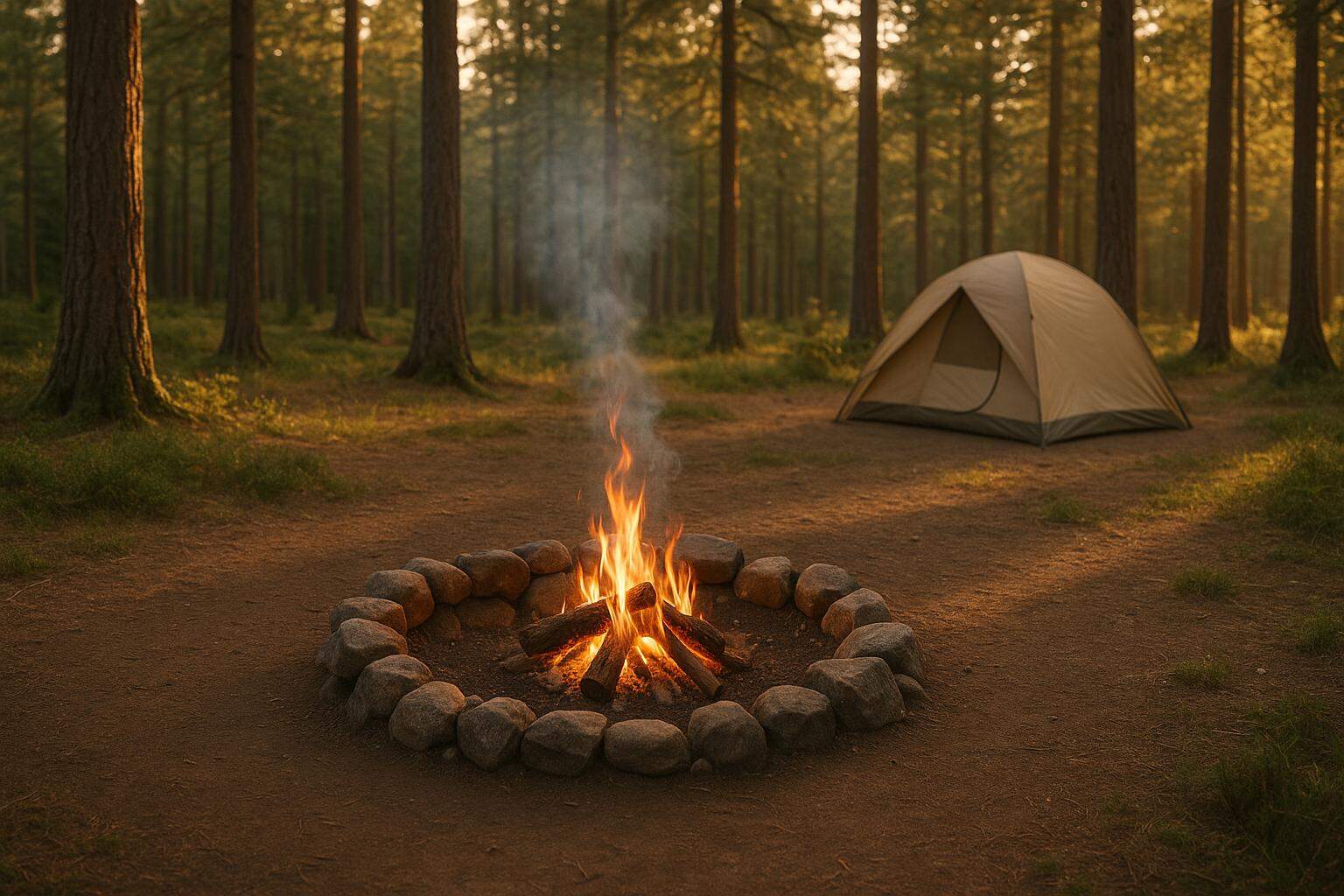
If your campsite has an existing fire ring, make it your first choice. These designated areas help concentrate the effects of campfires, preventing the spread of damage across the landscape. Before using the ring, inspect it for debris and clear it out if necessary. Also, avoid building fires near rock outcrops, as the heat can leave permanent marks.
Other Methods: Mound Fires and Fire Pans
When a fire ring isn’t available – especially in untouched or sensitive environments – consider alternative methods like mound fires or fire pans to minimize impact.
- Mound fires: This method involves creating a mound of mineral soil on a fire blanket or tarp. By keeping the fire elevated, it prevents heat from damaging the ground and nearby roots. After your fire, return the soil to its original location and pack out the blanket.
- Fire pans: These portable metal containers keep the fire contained, stopping heat and ash from reaching the ground. Fire pans are especially useful in places like deserts, alpine zones, or rocky areas. Once you’re done, dispose of the ashes properly and clean the pan for future use.
Both options align with Leave No Trace principles, ensuring your campfire has minimal impact on the environment.
Avoid Fragile Areas
Be mindful of where you set up your fire. Fragile areas, such as spots with sparse vegetation, steep slopes, or exposed rock, are highly susceptible to damage. Fires in these locations can lead to soil erosion, loss of plant life, and long-lasting scars on the landscape. Instead, opt for durable surfaces like established campsites, gravel patches, or mineral soil, which are better equipped to handle the effects of a campfire.
| Fire Method | Environmental Impact | Best Use Cases | Cleanup Required |
|---|---|---|---|
| Existing Fire Ring | Lowest | Established campsites | Scatter cold ashes, pack out trash |
| Mound Fire | Very Low | Pristine or fragile areas | Return soil, pack out fire blanket |
| Fire Pan | Very Low | Deserts, alpine, rocky areas | Dispose of ashes, clean the pan |
Before finalizing your fire site, take a moment to assess the surroundings. Look out for potential hazards like overhanging branches or dry grass within a 10-foot radius. A little extra care in site selection not only protects the environment but also ensures your safety. Once your location is chosen responsibly, you’re ready to manage your campfire with care and precision.
Building and Managing Your Campfire
Once you’ve chosen your fire location, the next step is to build a fire that’s safe, efficient, and mindful of the environment. How you construct and maintain your fire affects not only your safety but also the natural surroundings. The aim is to create a fire that meets your needs while leaving as little impact as possible.
Choose the Right Fuel
Stick to using dead, dry wood that you can easily snap by hand. Look for branches and logs already on the ground – dry to the touch and brittle enough to break without tools. Opt for pieces about the size of your wrist, as they burn thoroughly and are easier to manage.
Avoid cutting live or green wood, even if it appears lifeless. Standing dead trees, known as snags, are vital habitats for wildlife like woodpeckers and birds that nest in cavities. Using these trees disrupts the ecosystem and often results in wood that burns poorly and creates excess smoke.
When gathering firewood, spread out your collection area to avoid depleting one spot entirely, and only take what you actually need. Never burn trash, food wrappers, or plastics, as these release harmful toxins and leave behind residues. Always pack out your waste to preserve the environment for future campers.
Keep Your Fire Small and Controlled
A small fire is all you need for cooking or staying warm. Smaller fires consume less fuel, leave a lighter environmental footprint, and are much easier to extinguish than larger ones. They also give you better control over cooking temperatures and reduce the risk of the fire spreading unexpectedly.
Stay alert to prevent any accidental spread. Always have water and a shovel on hand so you can quickly extinguish the fire if wind or weather conditions change. Keeping your fire small and manageable makes it safer and more environmentally friendly.
Never Leave a Fire Unattended
Supervising your fire at all times is crucial. Even stepping away for a moment can lead to disaster if wind or embers cause the fire to spread. Always stay close to your fire to avoid unintended accidents. If you need to leave your campsite, make sure the fire is completely extinguished before you go.
When adding wood, do so gradually instead of piling it on all at once. This gives you better control over the fire and ensures it can burn down safely when you’re ready to put it out. Avoid adding more wood than you can burn completely before leaving.
| Fire Management Aspect | Best Practice | Why It Matters |
|---|---|---|
| Fuel Size | Wrist-diameter or smaller | Burns thoroughly and is easier to control |
| Fire Size | Only as large as needed | Reduces environmental footprint and makes extinguishing easier |
| Supervision | Always monitor | Prevents accidental spread |
| Wood Source | Dead and downed only | Preserves ecosystems |
Building and managing a campfire responsibly takes careful attention and respect for nature. By following these guidelines, you can enjoy the benefits of a campfire without harming the environment or compromising safety.
sbb-itb-289f5f2
Putting Out Your Campfire Completely
Making sure your campfire is completely out is a key responsibility for anyone spending time in the great outdoors. The U.S. Forest Service reports that human activity causes 80–90% of wildfires each year. This underscores the importance of fully extinguishing your campfire to help prevent devastating events like the 2018 Lake Christine Fire in Colorado. That fire, which burned over 12,000 acres, started because of an improperly extinguished campfire and caused severe damage to both the environment and property.
Before leaving your campsite or even heading to bed, your fire must be completely out. That means no glowing embers, no heat, and no smoke. Skipping this step could allow embers to reignite, especially if wind picks up or dry vegetation is nearby. To ensure your fire is fully out, follow the Water, Stir, and Feel method.
The Water, Stir, and Feel Method
Start by pouring plenty of water over the fire. Avoid using dirt or sand, as these can insulate embers instead of cooling them. Water, on the other hand, seeps into the ashes and coals, effectively lowering their temperature. Be thorough – soak all coals and ashes completely.
Next, grab a stick or shovel and stir the wet ashes and coals. This step helps break up larger chunks of charcoal and exposes any hidden embers. Add more water as needed to ensure every part of the fire is saturated.
Finally, check for any lingering heat. Hold the back of your hand a few inches above the ashes and move it around the area. If you feel warmth, repeat the process – add more water, stir again, and check until everything is cool to the touch.
Dispose of Ashes Properly
Once the ashes are cold, scatter them widely away from your campsite and any water sources. This prevents concentrated ash deposits from sterilizing the soil. Never bury ashes, as they can smolder underground for hours or even days.
If you built a mound fire, return the mineral soil you used to its original location after scattering the ashes. For those using a fire pan, make sure it’s completely cool before packing it out. The Water, Stir, and Feel method works no matter what type of fire setup you used.
Unused firewood and partially burned pieces should also be scattered away from the campsite. Don’t leave a stack of wood behind – it might tempt future campers to build unnecessarily large fires.
To summarize the extinguishing process, follow this safe ash disposal checklist:
| Extinguishing Step | Action Required | Safety Check |
|---|---|---|
| Douse | Pour water over all coals and ashes | Make sure everything is soaked |
| Stir | Mix ashes with a stick or shovel | Break up all charcoal pieces |
| Feel | Check for heat with the back of your hand | No warmth should remain |
| Dispose | Scatter cool ashes away from the campsite and water | Leave the area undisturbed |
Campfire Alternatives: Low-Impact Options
Sometimes, the best campfire is no campfire at all. With wildfire risks on the rise, especially in dry regions, opting for fire-free alternatives can help protect the environment while still meeting your camping needs. While traditional campfires are often used for cooking, warmth, and ambiance, there are plenty of modern, eco-conscious options that can replace them without the risks or long-term damage to campsites.
Fire-free camping is becoming increasingly popular, particularly in the western United States, where wildfire dangers have led to restrictions or outright bans on campfires during dry seasons. This shift isn’t just about following rules – it’s about safeguarding nature for future generations while still creating meaningful outdoor experiences. Let’s explore some low-impact alternatives that meet your camping needs without compromising the environment.
Lightweight Camp Stoves for Cooking
When it comes to cooking, camp stoves are a practical and environmentally friendly choice. Unlike traditional fires, these portable devices don’t require gathering wood or leave behind unsightly fire scars. They also eliminate the risk of open flames, which can be a major hazard in wildfire-prone areas.
Modern backpacking stoves are designed to provide consistent heat for cooking and boiling water efficiently. Canister stoves, which use propane or isobutane fuel, are especially popular for their lightweight design and ease of use. For instance, the MSR PocketRocket costs about $50, while the Jetboil Flash is priced around $110 as of 2025. These stoves are compact – typically weighing less than a pound – making them perfect for solo campers or small groups.
For larger groups or cold-weather trips, liquid fuel stoves are a better option, as they offer more power and perform well in freezing conditions. Meanwhile, alcohol stoves and solid fuel tablet stoves cater to minimalist campers who prioritize ultralight gear.
When using a camp stove, always set it up on a stable, non-flammable surface like rock or mineral soil. Clear away any dry grass or leaves, and avoid placing stoves on organic material. Fuel canisters, which generally cost $5–$10 each, can last for several days of typical use.
| Stove Type | Environmental Impact | Ease of Use | Cost (USD) | Best For |
|---|---|---|---|---|
| Canister Stove | Very Low | Easy | $20–$150 | Backpacking, small groups |
| Liquid Fuel Stove | Very Low | Moderate | $80–$200 | Cold weather, large groups |
| Alcohol Stove | Very Low | Easy | $15–$50 | Ultralight camping |
| Solid Fuel Stove | Very Low | Easy | $20–$80 | Emergency backup |
Stargazing, Games, and Other Activities
Skipping the campfire doesn’t mean sacrificing fun. In fact, fire-free evenings open the door to activities that align with Leave No Trace principles while preserving the wilderness. Stargazing, for example, becomes a breathtaking experience under clear, dark skies, revealing constellations, planets, and even meteor showers that are often obscured in urban areas.
Without the noise and light of a fire, wildlife observation can also take center stage, offering a better chance to spot nocturnal creatures like owls or deer. For group entertainment, consider card games, board games, or storytelling under the glow of LED lanterns or headlamps. Solar-powered lanterns and glow sticks are great for creating a cozy ambiance without the risks associated with an open flame.
Night hikes are another excellent way to immerse yourself in nature, and for photography enthusiasts, fire-free nights provide ideal conditions for capturing star trails or moonlit landscapes. Many Leave No Trace workshops and guided trips in U.S. national parks have embraced these activities, banning campfires altogether to prioritize safety and protect natural areas.
For warmth on chilly nights, rely on layered clothing, insulated sleeping bags, and hot water bottles. Group shelters and shared cooking spaces can also create a sense of community while keeping everyone warm – no fire needed.
The secret to a successful fire-free camping trip lies in preparation. Pack the right gear, check local fire regulations before heading out, and be ready to adapt if campfires are prohibited. With some thoughtful planning, you can enjoy an outdoor adventure that’s not only safe and comfortable but also kind to the environment. These alternatives prove that you don’t need a roaring fire to create lasting memories in the great outdoors.
Conclusion: Leave No Trace in Every Adventure
Taking care of how we build and manage campfires is key to keeping the wilderness pristine for future adventures. When you stick to using existing fire rings or opt for a low-impact camp stove, you’re actively helping to protect these wild spaces for the next generation.
Every thoughtful choice can help lower the risk of wildfires. With human activity responsible for 80–90% of wildfires in the United States and suppression costs topping $2 billion annually, decisions like using only dead, fallen wood or properly controlling fires make a real difference.
The goal is simple: don’t leave a trace that lingers for decades. A proper Leave No Trace fire leaves no evidence behind – no new fire rings, no visible ash, and no harm to the natural surroundings.
The shift toward fire-free camping is growing, and for good reason. Whether you’re relying on a lightweight camp stove or enjoying a night under the stars without a fire, these choices prove that unforgettable outdoor experiences don’t have to come at nature’s expense. This movement toward low-impact camping reflects our shared responsibility to care for the environment.
At Take More Adventures, every trip is an opportunity to embrace stewardship. By planning ahead, choosing alternatives with minimal impact, and ensuring fires are completely extinguished, you help protect the wild spaces we all cherish. This commitment is at the heart of the Leave No Trace principles that guide everything we do.
So, before your next outdoor adventure, ask yourself: "Do I really need a campfire?" Often, you’ll find the answer leads to discovering new ways to connect with nature – leaving only footprints and taking only memories. From preparation to extinguishing fires, every step reinforces the promise to leave the wilderness as untouched as you found it.
FAQs
Why should you check fire regulations and restrictions before building a campfire?
Checking fire regulations and restrictions is a must for keeping everyone safe and protecting the environment. Some regions impose bans or strict rules, often due to dry weather, heightened fire risks, or to safeguard local wildlife. Overlooking these rules isn’t just risky – it can spark dangerous wildfires or result in steep fines.
By staying updated on fire guidelines, you’re playing a part in preserving the beauty of outdoor spaces while ensuring a safe experience for everyone. Before lighting a campfire, always consult local authorities or park services to make sure you’re following the rules.
What are some eco-friendly alternatives to traditional campfires, and how can they help protect the environment?
Using alternatives to traditional campfires is an excellent way to enjoy the outdoors while being mindful of nature. Tools like LED lanterns, solar-powered string lights, and portable propane stoves make it easy to light up your campsite or prepare meals without the need for open flames. These options not only reduce the risk of wildfires but also protect vegetation and eliminate the need to collect firewood, which can disturb local ecosystems.
Opting for fire-free solutions helps maintain natural habitats and ensures future campers can experience unspoiled wilderness. Even small adjustments to your camping routine can have a lasting, positive impact on the environment!
What’s the best way to fully extinguish a campfire and prevent wildfires?
To make sure your campfire is completely out and safe, follow these steps:
- Douse the fire with water: Pour plenty of water over the fire. Make sure every ember, coal, and log is thoroughly soaked. Listen for a hissing sound – that’s a good sign the fire is cooling down.
- Stir the ashes: Grab a stick or shovel and stir the wet ashes and embers. This helps uncover any hidden heat and ensures the water reaches every part of the fire.
- Check for heat: Hold your hand a few inches above the ashes (without touching) to feel for warmth. If you sense any heat, repeat the process: add more water, stir, and check again until everything is completely cold.
- Clean up debris: If there’s leftover debris, make sure it’s fully extinguished. Pack it out if needed, following Leave No Trace principles.
Taking these extra steps to fully extinguish your campfire is crucial. It’s not just about safety – it’s about preventing wildfires and protecting the outdoors for everyone. Always double-check before heading out!